
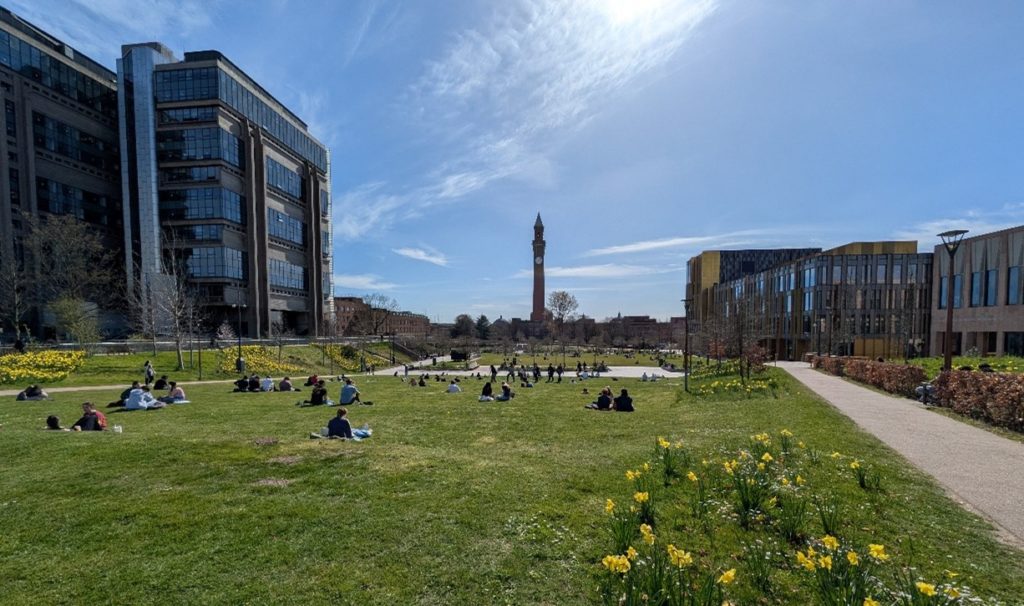
It’s hard to believe it’s almost been a year since I embarked on my Marietta Blau-Grant fellowship journey, funded by the OeAD (Austrian Agency for International Cooperation in Education and Research). As I look back, I realize that when I first started this adventure in October 2024, with an end date set for September 2025, I had little idea what to expect. The uncertainty was palpable, but also exciting.
All I knew was that I would be spending the next six months at the University of Otago in New Zealand and another six months at the University of Birmingham in the United Kingdom. At the end of March 2025, I took a flight from New Zealand to Birmingham, marking the beginning of a new chapter in my journey. A new city, but with a similar task at hand, the second leg of my academic adventure officially began at the University of Birmingham (UoB).
Reflecting on my time at UoB, I engaged in a variety of activities that were both challenging and rewarding. The systems, organizational structures, and overall academic environment at UoB were somewhat different from what I had experienced before. Adjusting to these differences was an important part of my learning process. One key aspect of my time at UoB was the regular meetings I had with my mentor, Professor Jessica Pykett. These meetings, which occurred at least once a month (partly due to UK visa requirements), were incredibly valuable. During these sessions, we had detailed discussions about my most recent writing and the progress of my work. Professor Jessica Pykett provided insightful feedback that helped me refine my ideas and stay on track.
Most of my focus was dedicated to conducting an in-depth literature review on biosocial research and disability studies. This review became the foundation for re-developing my conceptual framework and fine-tuning the orientation of my dissertation. Through this process, I identified several key trends in biosocial research and disability studies. One of the most significant findings was the recognition that ableist, neoliberal structures are deeply embedded in biosocial research. By critically engaging with these trends, I was able to make meaningful progress in shaping the direction of my dissertation. My work not only highlights the limitations of current biosocial research practices but also seeks to challenge and reimagine these frameworks in ways that are more inclusive and equitable.
From the very beginning, I had the opportunity to collaborate with experts from the School of Geography, Earth & Environmental Science, as well as with PhD researchers working with Professor Phil Jones and Professor Peter Kraftl. Additionally, I engaged in interdisciplinary exchanges with Sang-Hoon Yeo, a Lecturer in Biomechanics and Motor Control from the School of Sport, Exercise and Rehabilitation Sciences. Our discussions focused on the development of (semi)-automatic algorithms for analysing eye-tracking data, which led to some incredibly fascinating conversations.
During my time at the University of Birmingham, I gained a great deal from a variety of interdisciplinary workshops, which broadened my horizons, shaped my thinking and deepened my understanding of themes relevant to my dissertation research. One standout experience was the ‘Place and Placemaking’ workshop, organized by PhD candidates from Art History, which provided a unique opportunity to explore the complex dynamics of place development, reconstruction, and interpretation over time.
A recurring theme throughout my stay in Birmingham was the theoretical and practical exploration of wellbeing, particularly its intricate relationships with place and space. What struck me as particularly significant was the tension between promoting individual responsibility for wellbeing and neglecting broader societal implications. Through various workshops, I gained valuable insights into how wellbeing – especially digital wellbeing – is often framed as an individual concern, leading to a lack of policies that encourage healthy usage habits.
As I reflect on my experiences, it’s clear that wellbeing extends far beyond physical health; it’s about cultivating thriving communities and nurturing a deeper sense of connection, purpose, and belonging. As we move forward, it’s essential that we prioritize holistic approaches to wellbeing, recognizing the intricate interplay between individual, community, and societal factors. In addition to collaborative projects and workshops at UoB, I presented my research at the Human Geography Seminar Series 25/26 and the RGS-IBG conference in Birmingham. These events provided valuable feedback that helped refine my dissertation framework and allowed me to establish connections with researchers and experts in my field.
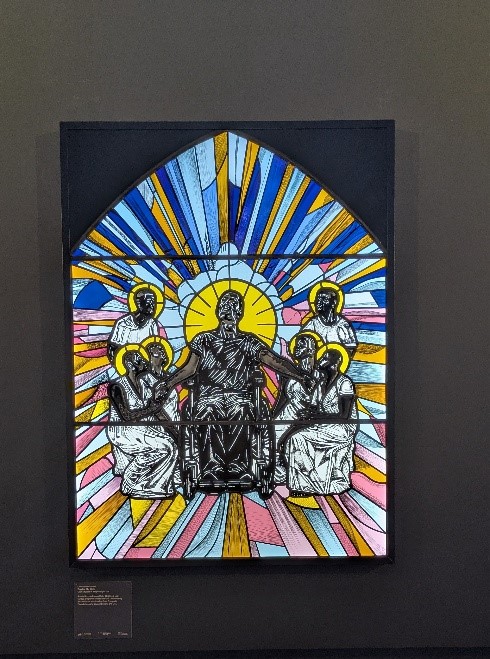
Outside of academia and university, I enjoyed engaging with the local community in Birmingham, which was a highlight of my experience. The ‘Watch Us Lead’ exhibition at the Birmingham Museum stood out, shedding light on the experiences of disabled people of colour in the city. I also connected with curator and artist Christopher Samuel online, discussing disability rights and research. Additionally, I met Civic Square, a group tackling social deprivation in areas like Ladywood and Bearwood by promoting sustainable civic infrastructure for a more equitable future.
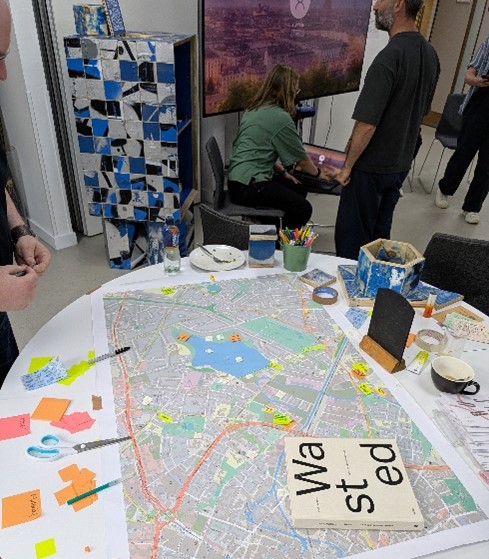
The Neighbourhood Futures Festival was another memorable experience, bringing together residents and community partners to reimagine what makes a decent neighbourhood. Workshops and discussions explored pressing issues like climate change adaptations in affordable housing, retrofitting homes, and the tension between global investment interests and local democracy. These interactions provided valuable insights into community-driven initiatives and the intersection of disability rights and sustainability.
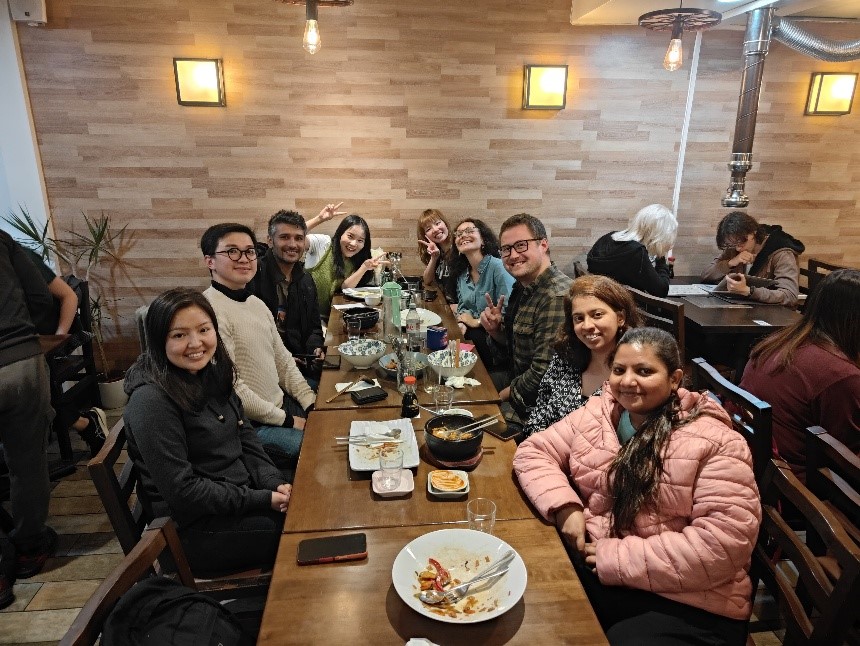
Living in Birmingham gave me the opportunity to immerse myself in British culture and expand my global perspective. Although six months might seem like a long time, it often felt too short to truly feel at home. However, it was just enough time to try all sorts of delicious foods – Korean BBQ, Chinese, Lebanese shawarma, and Indian curries
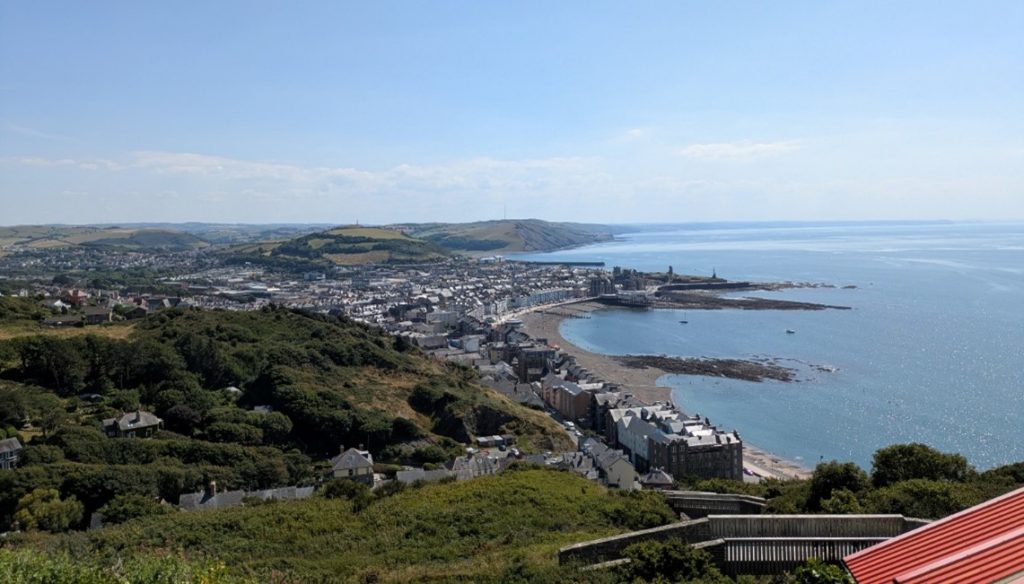
Plus, being based in Brum made it easy to explore other UK cities like Aberystwyth, Nottingham, Manchester, and more. Also, the countryside around Birmingham also has a lot to offer. Just as I became familiar with one environment and its unique dynamics, it was time to move on to the next.
On a final note, my Marietta Blau-Grant fellowship time was a transformative experience that propelled my academic work forward while also fostering personal and professional growth. Although challenging at times, particularly when adapting to new environments and building a social network, I cultivated valuable soft skills and developed resilience. I’m grateful for the opportunity to have spent time at the University of Birmingham, which allowed me to make significant progress in my doctoral research, expand my international network, and grow both academically and personally.
I’d like to extend my deepest gratitude to my supervisor and mentor Prof. Jessica Pykett for their substantial support and guidance throughout this journey. A huge thank you to the School of Geography, Earth and Environmental Sciences, its wonderful staff, my fellow PhD friends in room 225, and the University of Birmingham community for making these six months an unforgettable experience.
LinkedIn Johannes Melchert.