
Dr Marija Antanavičiūtė joins researchers and policymakers to discuss ethics during crisis in a launch of new code and book.
On 3rd of June, at UNESCO headquarters in Paris the long-awaited PREPARED Global Code of Conduct for Research During Pandemics was launched. The code, available in 13 languages, sets out an operational ethics and integrity framework, which safeguards key ethical values, supports a rapid and effective research response to crises and improves overall pandemic preparedness. The Code is grounded in the values of Fairness, Respect, Care, and Honesty. Related material was launched alongside the code, including a training site, guidance on the freedom from harassment for scholars and an ethics brief for short-term visa provision to facilitate researcher mobility.
The event featured Prof Peter Singer, who discussed the harassment of researchers and shared his experience on having his freedom of speech suppressed due to his views and research, for instance, on euthanasia. UNESCO’s Dafna Feinholz discussed values-driven science ecosystems and risks of self-censorship and withdrawal from academic posts following experiences of harassment. Dr Michael Makanga, Executive Director of the Global Health EDCTP3 Joint Undertaking, highlighted the importance of ethical partnerships against infectious diseases. Assuring ownership and accountability of local community in addressing such diseases, he noted, can act as early warning systems for public health crises.
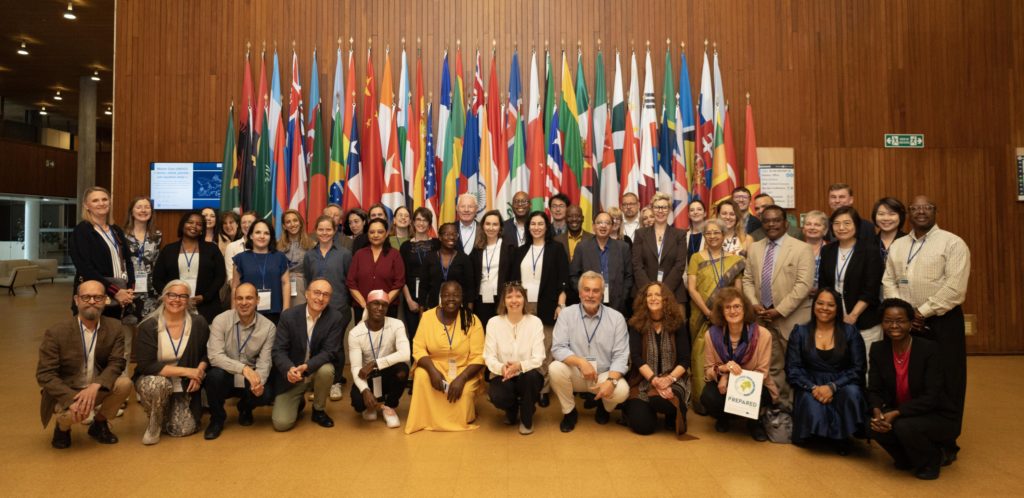
Project coordinator and lead Prof. Doris Schroeder from UCLan Cyprus provided comprehensive insights into the framework’s design and the Editor in Chief of Nature Medicine, Dr Joao Monteiro, launched the book on the PREPARED Code, Research Ethics and Integrity During Pandemics. The team behind PREPARED also showcased the training app for researchers to use during times of crisis that illustrates key ethical considerations and provides accessible guidance when traditional support systems may be compromised.
The launch of the PREPARED Code and the start of the public consultations on the TRUST Code Supplement featured important discussions about decolonization of global research and the critical need for ethics-by-design approaches. The main materials developed by the PREPARED team are written to be accessible to people who might be exploited, ensuring that ethical protections reach those most vulnerable during crisis situations.
Key themes emerged from the discussion around the need for more research in fragile settings and deeper discussions about research methodologies. Leadership means being prepared rather than merely fixing problems as they arise. The emphasis on top-down, values-driven approaches ensures that ethical considerations are embedded from the outset rather than added as an afterthought.
The event was followed by a workshop the next day on Equitable Research During Crisis, where Ethics & Expertise’s Marija Antanaviciute presented work on the Rapid Ethics Assessment tool, developed in collaboration with NCOB. This tool represents a shift from reactive approach toward a proactive preparation for addressing ethical issues in crisis context, when resources and evidence are limited. Other speakers shared their experience of implementing the earlier TRUST Code and showcased other initiatives to make research more equitable.
Rather than viewing ethics as a controlling mechanism, panel speakers emphasized its function as an educational tool that enhances research quality and community trust. However, there needs to be a cultural and institutional change to shift the narrative about research ethics – and PREPARED materials are substantially advancing these efforts. The conversation highlighted how every crisis exacerbates existing inequalities, making informed consent and researcher and research participant safety and security even more critical. The PREPARED Code provides practical guidance on research ethics while promoting equitable science during humanity’s most challenging moments.