
Nestled on Kensington Church Street in west London, 128 Kensington Church Street—the Georgian townhome once belonging to Muzio Clementi (1752–1832)—is a remarkable living tribute to one of music history’s unsung innovators. Known as the ‘Father of the Pianoforte’ Clementi composed, taught, and built his name here between roughly 1811 and 1824. Today, the house remains a thoughtfully preserved private residence, generously shared for cultural tours and musical events.
During Clementi’s tenure at Clementi House, the space became a pivotal hub in Georgian London’s musical circuit. Young Felix Mendelssohn was welcomed here—often staying long enough to rehearse, compose, and socialize. Over the years, the house remained a quiet node in London’s musical network.
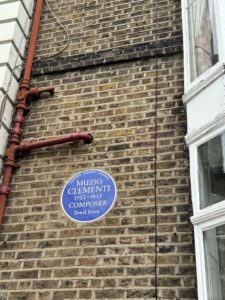
Later on, composer William Horsley made the house his home. The drawing room hosted impromptu musical performances including one by Mendelssohn to mark the betrothal of Horsley’s daughter Mary to engineer Isambard Kingdom Brunel, who famously announced the engagement within those walls.
Though still a private residence, Clementi House is open for pre-booked tours, allowing visitors to experience centuries of musical and artistic history firsthand. Since its opening to the public in 2014, the house has been carefully managed by the Clementi House Trust, with day‑to‑day custodianship held by the Stacey family—descendants of publisher Tom Stacey and sculptor Caroline Stacey.
Their generosity is evident in every thoughtfully arranged corner: freshly tuned original pianoforte, original Georgian décor, scenic reading corners, and even pet presence that adds warmth to the period interiors. Visitors often remark how the lived-in atmosphere—not sterile or museum-like—feels welcoming and intentional.
What You’ll See (and Hear)
-
Clementi’s original pianoforte, displayed in the entrance hall and maintained to playable condition with original strings.
-
The drawing room, layered with history: where Mendelssohn rehearsed, and where intimate salon concerts once filled the atmosphere.
-
Period furnishing, including replicas of wallpapers and woodwork used by the Horsley family, blending stylistic integrity with creative heritage.
Why It Matters
Clementi House offers a rare glimpse into a composer’s domestic and artistic world. The piano instrument, manuscripts, and acoustic memory held within its walls make it an invaluable resource for students of music, architecture, and cultural history. But perhaps most striking is the sense of continuity—the way each generation has preserved both the spirit of craftsmanship and the joy of sharing. The Stacey family’s openness to hosting scholarly visits, concerts, and small groups enriches Clementi’s legacy beyond private memory into communal heritage.
For Students and Scholars
Visiting Clementi House is more than a historical outing—it’s an immersive experience in planning and performance, technology and temperament. Workshops often include live demonstrations of period piano, guided tours emphasize architectural heritage, and lectures link musicology with broader cultural history.
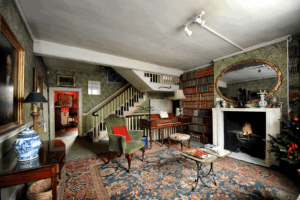
The Clementi House exemplifies how private stewardship and public access can nurture artistic memory. Its survival as a functional family home and public cultural site reflects the unique role of family generosity in safeguarding historical creativity.
This hidden gem shows how architecture, lived experience, and musical innovation can persist across centuries—made richer still by the generosity and care of those willing to share it. Whether you’re a student of history, music, or heritage management, Clementi House offers a deeply musical passage through time.
