
This past summer, I had the chance to assist Dr. Erin Sullivan, as part of the University of Birmingham Collaborative Research Internship program. As a life-long gamer and Shakespeare nerd, the opportunity to work with Dr. Sullivan on researching the intersection between Shakespeare and Video Games was a once-in-a-lifetime opportunity.
Getting Started
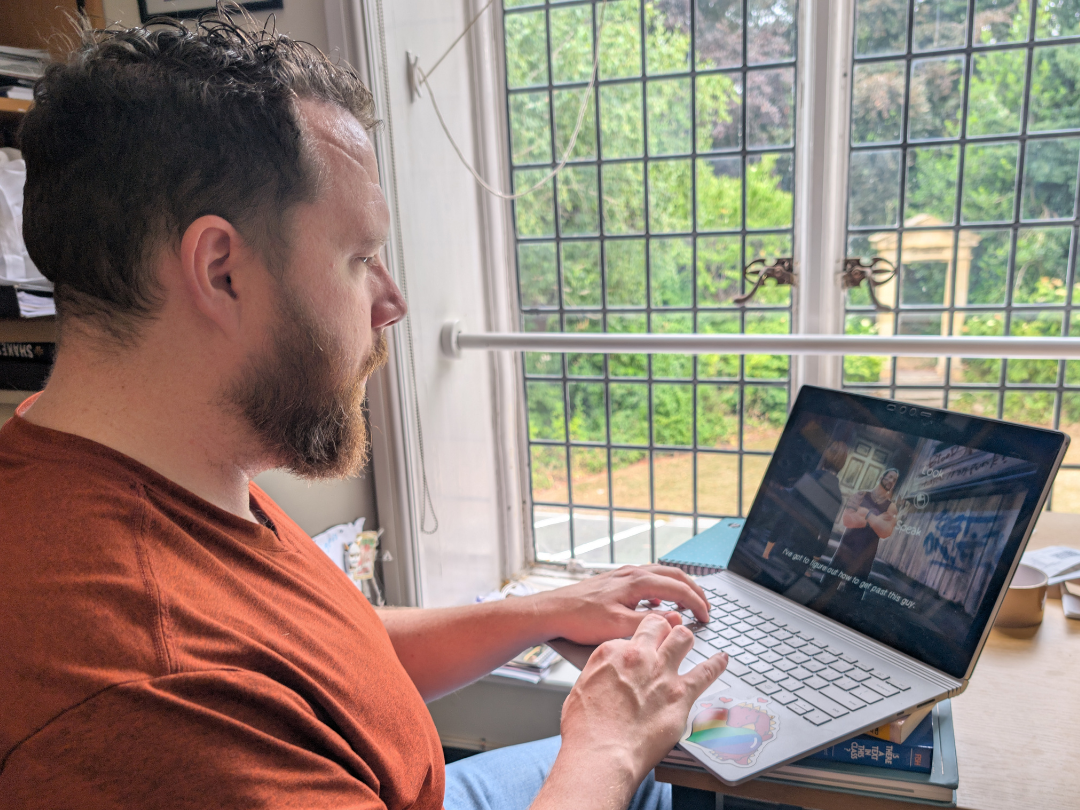
My internship began with plenty of introductions and scheduling. The summer would be broken into two phases, a remote research phase, followed by an in-person event to share our findings. Our team of four interns was tasked with reviewing and responding to Shakespeare’s use within video games. To facilitate this, Dr. Sullivan provided us with a list of video games that reportedly adapted Shakespeare or his works within their design or narrative. Each Intern would choose a game, play it to completion, and then respond using a feedback form Dr. Sullivan had prepared for us.
Research as…Play?
Our plan was to begin with games that were relatively short in duration, one to two hours at most. These experiences would serve to troubleshoot our process and prepare us to tackle the longer games on the list.
I quickly realized that the shorter a game’s running time, the more likely it was to be a student-made, or proof-of-concept. This means that the games that began the summer were mostly single idea concepts like helping the three weird sisters from Macbeth brew a potion. While it was interesting to see how designers leveraged Shakespeare into a single core experience, the longer form games demonstrated the narrative power of Shakespeare to a more significant degree. Games like This Way Madness Lies, and Life Is Strange: Before the Storm utilize aspects of Shakespeare to form the backbone of their narratives. This integral approach to adapting Shakespeare resonated deeply with me, and I was inspired by the depth of consideration designers applied to their games.
Play as…Teaching?
Our research period culminated in an in-person conference. This meeting was our opportunity to share our findings, as well as enter a discussion with a panel of pedagogists regarding the integration of gaming and teaching. I was inspired by the findings my fellow interns shared in their presentations. While my research had focused on narrative-driven-experiences, my colleagues had discovered games that were explicitly inspired by specific scenes within Shakespeare’s works. This type of game fit our panel discussion about teaching flawlessly. The panel discussion was able to identify many application of video games in a classroom setting, including ways to contextualize student learning through the use of games we had presented.
Time Well Spent
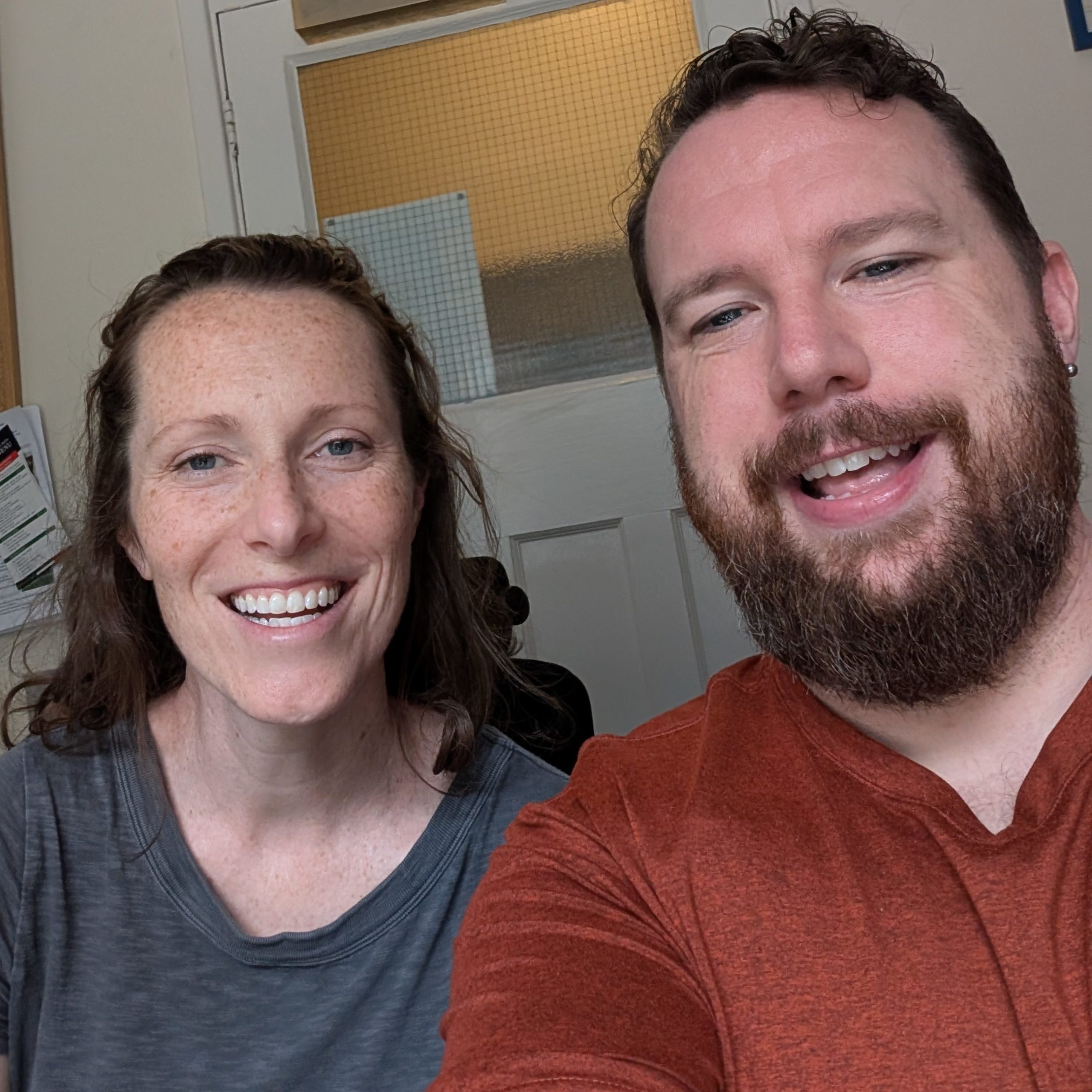
In the end, my Shakespeare/Video Game internship was more than just a summer experience; it was transformative. I left with a deeper understanding and appreciation for the work behind the games and playwright I love. If you ever get the opportunity to pursue the exact intersection of your interests, do it.