
From a young age, I’ve been fascinated by the world of Shakespeare—the plays, the drama, the language, the characters. So, the opportunity to combine that love with my passion for video games felt like a dream come true! Through this form of interactive storytelling, I was able to see Shakespeare’s works in a completely new light.
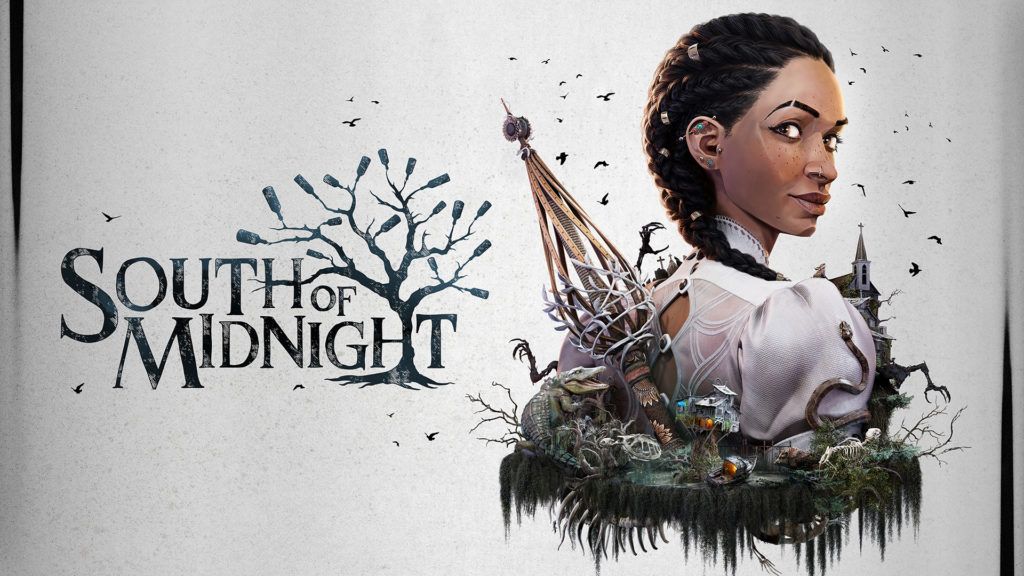
One standout game was South of Midnight, a third-person action-adventure that follows Hazel, a young woman whose life is turned upside down after a hurricane devastates her hometown of Prospero. Her mother is swept away, and Hazel embarks on a quest to find her. Along the way, she discovers her inherited power as a “Weaver,” able to follow magical strands that reveal hidden truths. Inspired by The Tempest, the game reimagines Shakespeare’s themes through the lens of Black Southern folklore. It offered me a completely fresh perspective on the play, expanding the canon in a way that was both culturally rich and creatively bold. Just like other forms of adaptation, playing these games showed me that Shakespeare studies can be an inclusive and contemporary space—one where all people can feel represented.
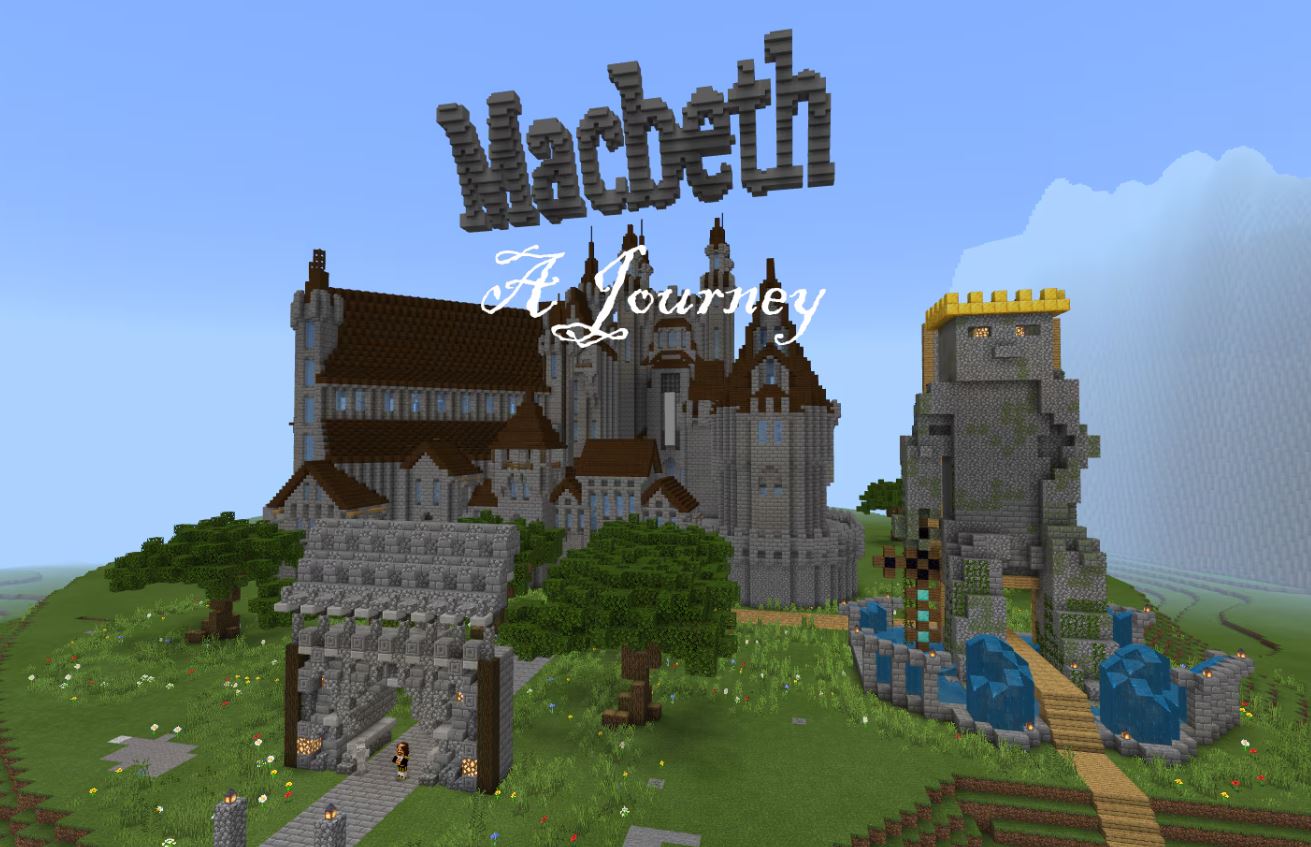
I also explored Macbeth’s Journey on Minecraft Education Edition, a learning-focused experience using one of my favourite childhood games. This game allowed me to engage with Macbeth in a hands-on, visual way—interacting with characters, analysing key quotes, and reflecting on the psychological depth of the story through immersive design. It encouraged both spatial and thematic thinking, transforming Shakespeare’s language into something students could walk through and touch.
What really struck me was how these games made Shakespeare interactive. Instead of passively reading or watching, I was part of the narrative—making decisions, exploring alternate outcomes, and immersing myself in the characters’ world. It made the material feel alive and personal.
Additionally, presenting my findings at the Shakespeare Institute in front of scholars and teachers also helped me grow in unexpected ways. I developed stronger communication and presentation skills, and the experience boosted my confidence tremendously.
Ultimately, it’s not just about having fun with games. It’s about recognizing their value as a modern storytelling medium—one that can make Shakespeare more accessible, more dynamic, and more relevant for new generations of learners and players.