
Having completed a Collaborative Research Internship (CRI) in the summer of 2024 – which I loved due to my pre-existing passion for the project topic (world literature) – I told myself that I would only apply for an internship in the 2024/2025 application period if there was a project I was equally (if not more) excited about and interested in. Luckily for me, the project, Investigating the Golden Age of Children’s Literature at Winterbourne House, was listed in this year’s directory of internships. This project offered two interns the opportunity to explore the children’s literature collection at Winterbourne House and produce a detailed catalogue of the books for use by academic staff, students, curators and the general public. I had thoroughly enjoyed taking the Discovering Children’s Literature module during the first year of my degree, and, as a result of my experience during my CRI in 2024, I was looking for internship and work experience opportunities that involved working with archival material. This project was perfect as it combined these two interests. I didn’t hesitate to apply and, fortunately, I was selected by the intern managers, Dr Emily Wingfield, a lecturer in English Literature, and Henrietta Lockhart, a curator at Winterbourne House, as one of the interns.
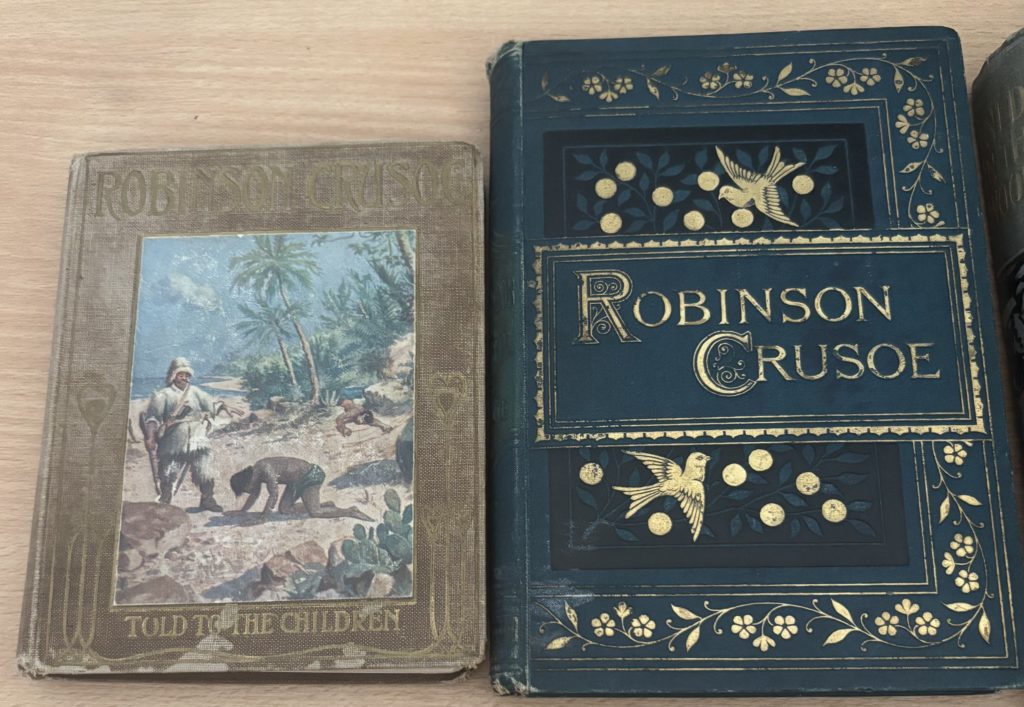
My focus was on colonial themes and illustrations in the children’s literature collection at Winterbourne. After exploring the catalogue of books, I settled on closely examining two editions of Robinson Crusoe: one was a small bound copy (slightly smaller than A6), abridged for younger readers, and the other was unabridged and targeted for school children between 12 and 14 years old. Robinson Crusoe was a fitting choice because it falls into the adventure genre, in which the theme of exploration (including colonial exploration) is common, and it is set predominantly in the Caribbean. I read both editions closely, noting down racist language, mentions of colonialism/imperialism, and other relevant material; analysing the illustrations, and comparing the two editions.
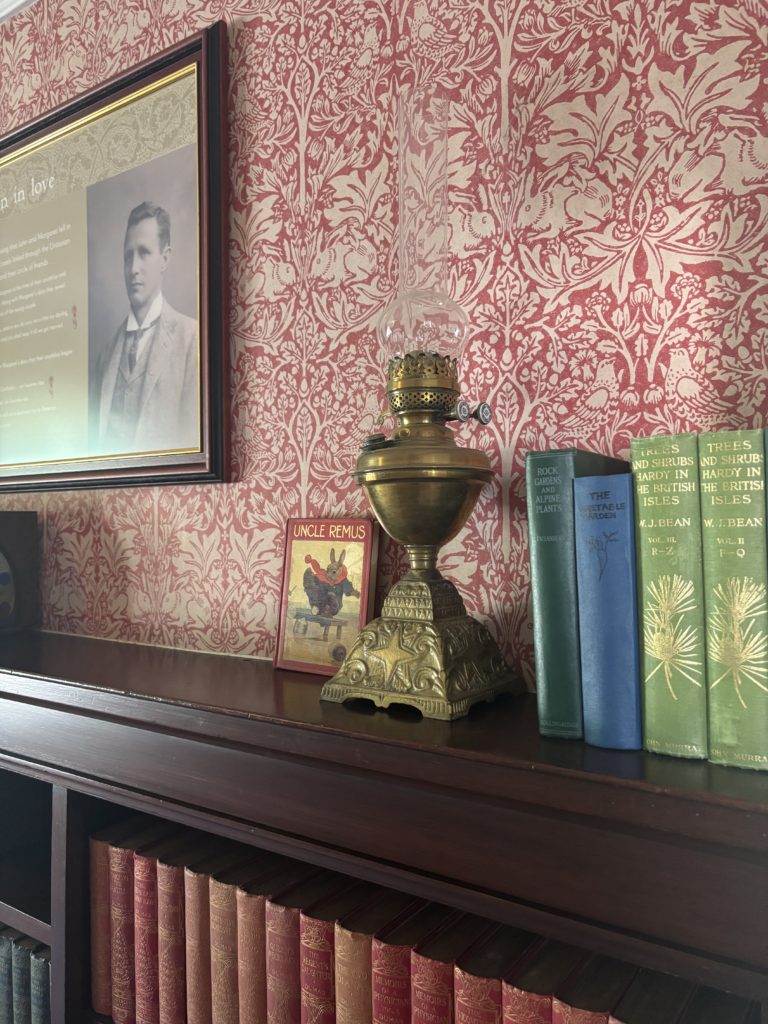
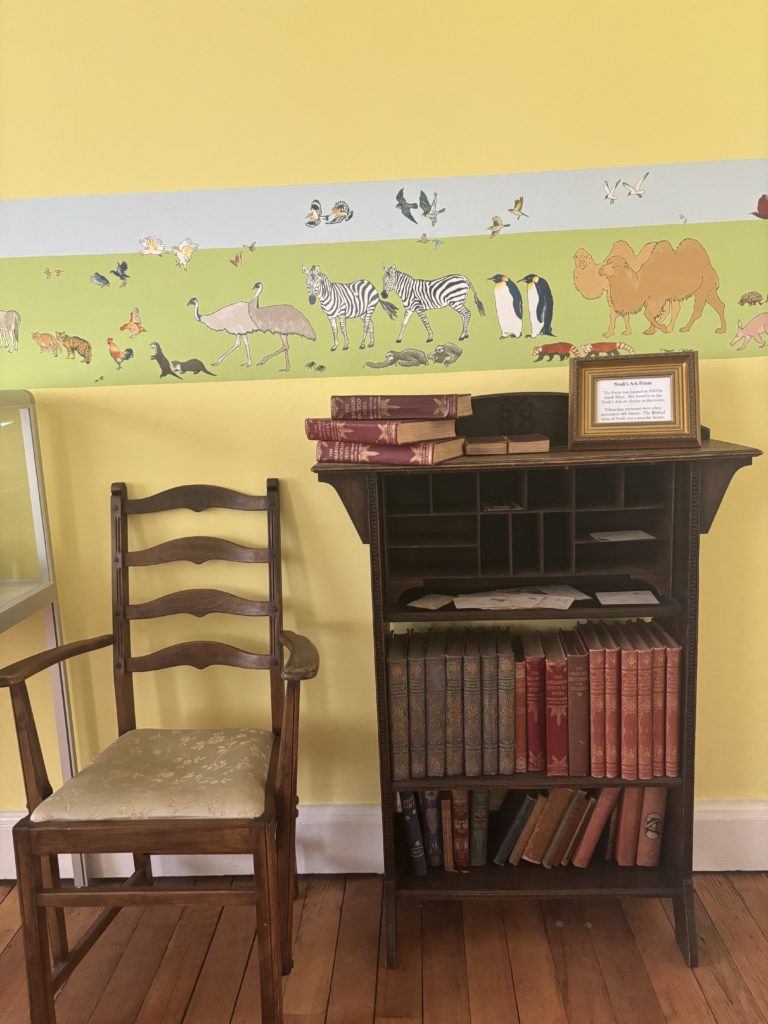
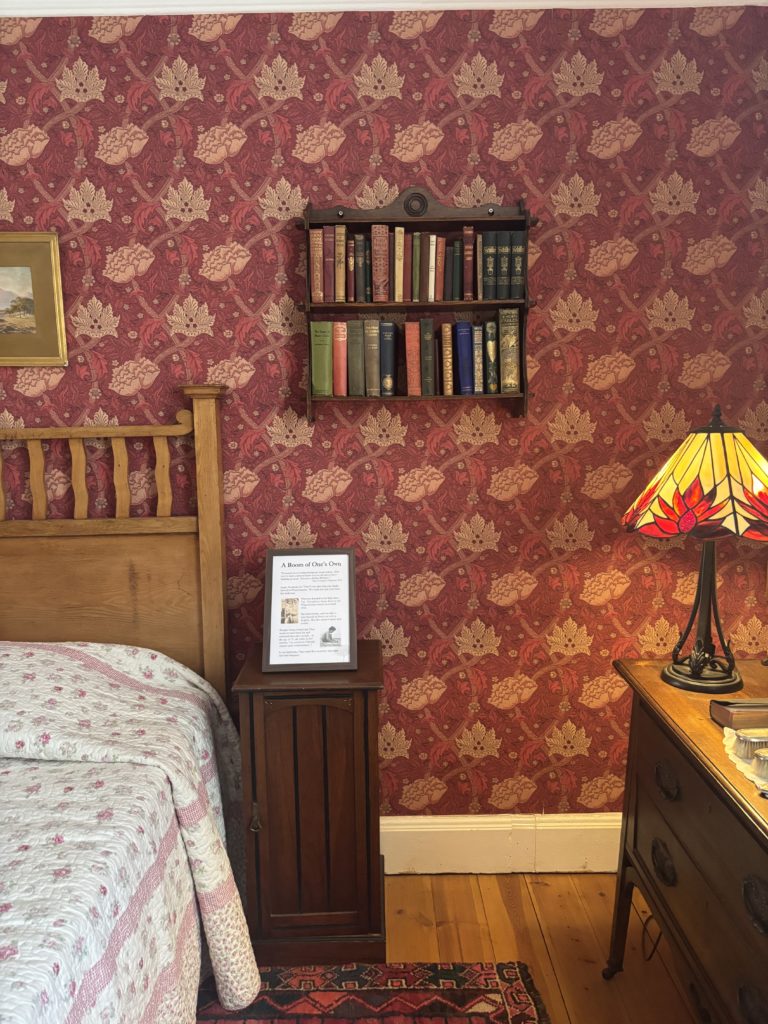
I completed the majority of my work remotely (out of preference); however, the one afternoon I spent working from Winterbourne House was unforgettable. I walked through different rooms in the house in search of various books that I planned to include in my research report. In John Nettlefold’s study, I found a copy of Uncle Remus, Uncle Tom’s Cabin in the Nurse’s room, Kipling’s Just So Stories in the Nursery and The Second Jungle Book in Nina’s room, and Peeps Abroad in Ken’s room. Walking through the house was like stepping back into the 1900s. It was fascinating to discover how much we can learn about the Nettlefold family through their bookshelves, such as their reading preferences and who was most involved in the children’s reading.
Investigating colonialism in Edwardian children’s literature and uncovering the messages and ideologies children learnt through such literature was very insightful. This internship has been invaluable in helping me develop independent research skills and giving me experience working with delicate, archival materials. I am grateful for the support and trust given to me by my project managers, which allowed me to gain confidence in my investigative and analytical skills.