
When I was introduced to the ‘Youth work, volunteerism, and humanitarianism in the work of the YMCA’ project, it was both exciting and overwhelming. Through the Cadbury Research Library (CRL), I had access to the newly catalogued archives of the YMCA’s National Council, which span from 1772 to 2021. While our supervisor, Dr Sarah Kenny, gave my research partner, Nana and me some suggestions about themes and materials to focus on, she emphasised we had freedom and flexibility to follow our historical interests. On the one hand, it was daunting to tackle the entire twentieth century; yet, it was an inspiring opportunity to take notes with such breadth and depth. Just like any other research, I found it helpful to read scholars’ work about the YMCA and charities, so I had a solid base to make comparisons and I didn’t feel so disorientated.
Visiting the Cadbury Research Library was very informative for me because I had never worked with a physical archive before. The staff were very accommodating, and having a partner to work through ideas with made the experience more comfortable and enjoyable. To help define my research, I focused on the YMCA’s serial publications for its members. Published throughout the twentieth century, apart from during the Second World War, they allowed me to analyse how the Association’s reflected and reacted to British and global cultural shifts across the decades. I could trace changes in the Association’s approach to appealing to young people and showcasing their achievements.
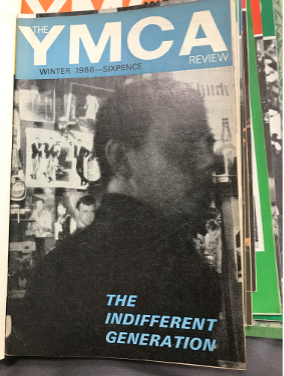
On our first visit to the CRL, I ordered far too many boxes than I could look through in one session. I began looking at issues from 1918 and 1919, which were useful for illustrating the Association’s participation in war propaganda as well as demobilisation and its effect on ideas of masculinity, citizenship and social progress. Realising I could spend all day on these two years, I took photos of articles which caught my eye so I could make notes later. To make the most of my time, I skimmed through the decades and was drawn to the 1960s.
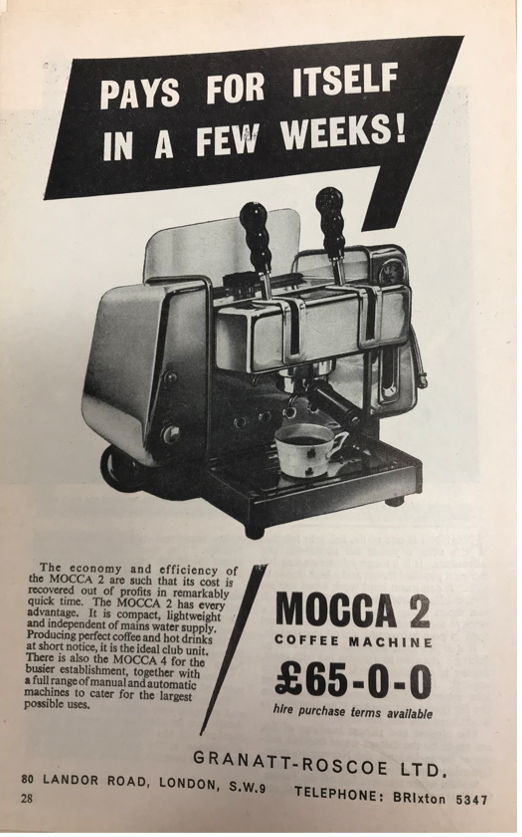
The 1960s issues were particularly fascinating because they showed how the Association reacted to increasing popular anxieties about young people. A common structure for the articles was for the author to introduce a misconception or complaint and subsequently argue against it. Usually, Christianity was presented as the antidote to fears of detachment, consumerism and hedonism, as it provides a sense of moral purpose. Nonetheless, the Association made a concerted effort to appeal to new trends in youth culture. Many issues feature celebrity and musician interviews also guides and adverts for running coffee bars, as the Association recognises that regular services are no longer effective, and people respond to more personal and informal methods of evangelism.
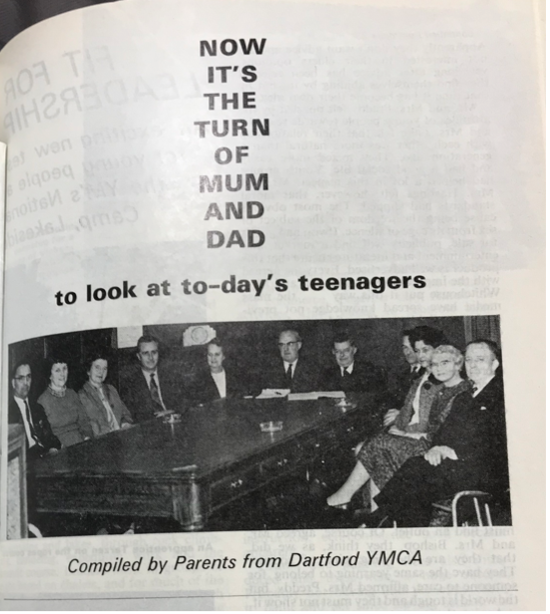
Although I looked at material from across the century, the 1960s remained the most intriguing and I plan to consider this decade and these topics during my modern third-year modules. I really enjoyed my experience as an intern, and it has given me valuable skills for further study, particularly fast transcription and note-taking and decision-making about what primary material I find most worthwhile and rewarding.