
How to move forward after the release of the GCSE results
In September 2024, the new GCSE for Modern Foreign Languages was launched in the UK. On 245 pages the Department for Education informs readers about the requirements to pass the exams, and lays the foundation for the A-Level in French, German and Spanish. The GCSE is supposed to help students develop the ability to communicate independently with other speakers of the language for an authentic purpose and about subjects with meaning and purpose to the learners. Moreover, the curriculum is designed to build students’ confidence and broaden their horizons, eventually seeing their own culture through the lens of the foreign language and culture by understanding relations, and leave cultural boundaries behind.
About two years later, in July 2026 the first cohort of graduates excitedly sat their exams according to the new curriculum. After the results were made public, it’s time for reflection. Could the new GCSE keep its promises?
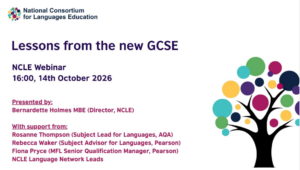
What lessons could we learn from the newly designed lessons?
The National Consortium for Language Education (NCLE) offers an interesting opportunity for teachers, researchers, students and everyone who’s interested. In a free webinar (14th October 2026), the experiences of the first examination, both from learners and teachers will be reviewed. Join the evidence-based discussion on the unfolding possibilities of the GCSE as a response to declining participation. How can we inspire more young people to opt MFL in their curriculum?