
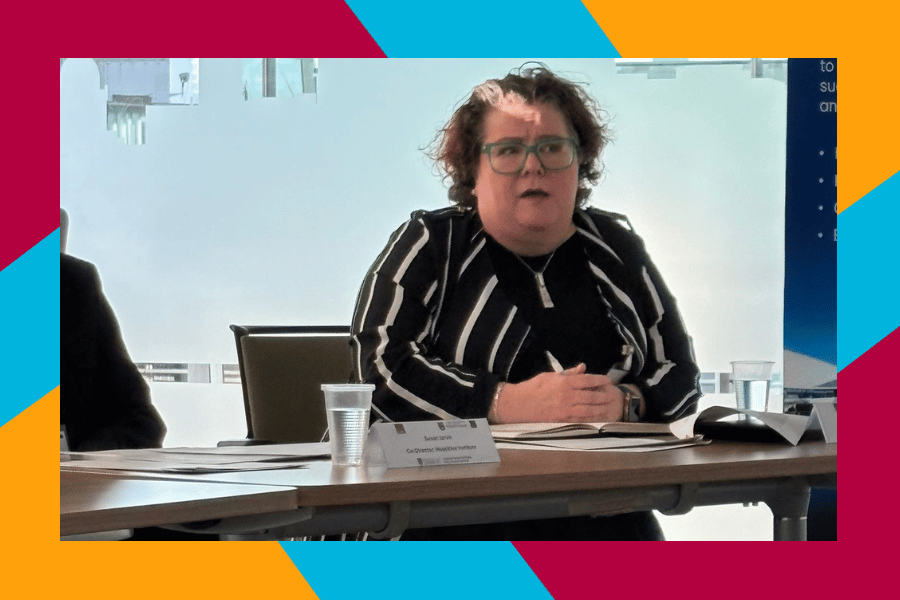
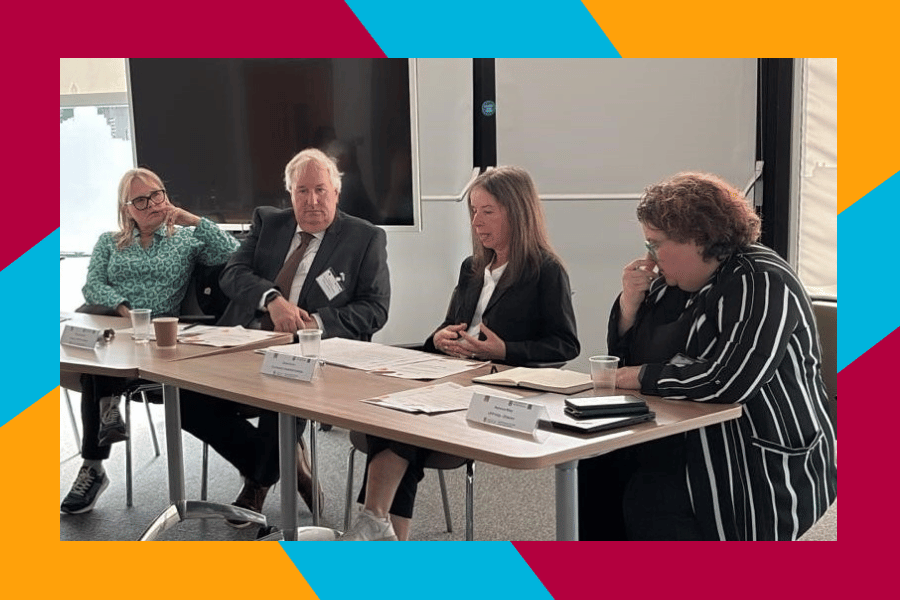
At the Labour Party Conference Fringe Event, hosted by the Local Policy Innovation Partnership (LPIP) Hub and the Heseltine Institute for Public Policy, Practice and Place, a dynamic group of academics, policymakers, civic leaders, and elected officials came together to explore the future of place-based growth in the UK.
The discussion was anchored around the LPIP Hub’s influential report:
“The Seven Essentials of Effective Place-Based Growth: What Can the Government Learn from City Region Mayors and Devolved Nations?”.
The Seven Essentials:
- Power Up Local Potential – Invest in local capacity and leadership.
- Make Policy Smarter – Embed evidence-informed decision-making.
- Fund the Mission, Not the bid – Enable flexible, mission-oriented funding.
- Lead Together, Grow Together – Foster collaborative governance.
- Growth That Works for Everyone – and the Planet – Prioritise inclusive and sustainable growth.
- Spend Smart, Buy Local, Drive Innovation – Reform procurement to support local economies.
- Learn Fast, Scale What Works – Institutionalise learning and cross-place collaboration.
Key Themes and Insights

Muscle Memory and Embedded Growth
Oliver Coppard, Mayor of South Yorkshire, spoke passionately about building on a region’s historical strengths – its “muscle memory” – to shape future growth. He discussed the “Scrabble theory of development,” advocating for iterative, community-led policy and leadership enabled by devolution.
Community-Led Regeneration
Pam Cox, MP for Colchester, highlighted the importance of engaging communities in regeneration. She discussed the £20 million Pride in Place fund and the need for better tools to connect private investment with local priorities, especially in housing and infrastructure.

Evidence-Led Policy and Local Identity
Richard McGuckin of the Liverpool City Region Combined Authority emphasised the role of evidence-based policymaking. He showcased Liverpool’s global identity and visitor economy, and called for flexible funding aligned with local missions, supported by institutions like the Office for Public Service Innovation.
Reinvesting in Democracy and Trust
Kersten England CBE, Co-Director of Yorkshire Universities, advocated for participatory democracy and whole-system thinking. She warned against centralisation and the erosion of trust in local government, stressing the importance of civic engagement and foundational economies.
Inclusive Rural Growth
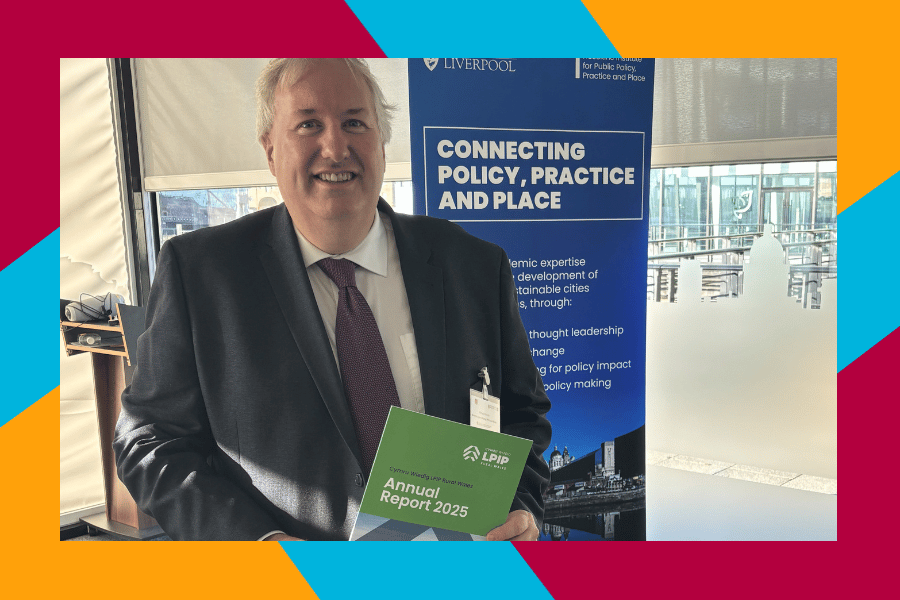
Professor Michael Woods of Cymru Wledig LPIP Rural Wales challenged urban-centric growth models. He called for regeneration rooted in the natural environment and community aspirations, praising the Wellbeing of Future Generations Act and recent changes to the Treasury’s Green Book.
Universities as Civic Anchors
Sue Jarvis of the Heseltine Institute showcased the University of Liverpool’s £2.2 billion contribution to the UK economy. She highlighted the role of universities in bridging research and policy, and the importance of partnerships with combined authorities to support rapid knowledge transfer.
Conclusion and Next Steps
The event revealed a strong consensus: the UK needs a more devolved, inclusive, and evidence-led approach to growth. Speakers urged the Government to:
- Trust local institutions and communities to lead
- Move away from competitive funding models
- Invest in foundational economies and civic infrastructure
- Support cross-place learning and innovation
As Des McNulty and Rebecca Riley concluded, the challenge is to embed this learning in national decision-making and ensure that “muscle memory” and place distinctiveness – those unique economic, social, and cultural characteristics – are recognised and valued.
This blog was written by Elizabeth Goodyear, Programme Manager at City-REDI, University of Birmingham.
Find out more about the Local Policy Innovation Partnership Hub.
Disclaimer:
The views expressed in this analysis post are those of the authors and not necessarily those of City-REDI or the University of Birmingham.