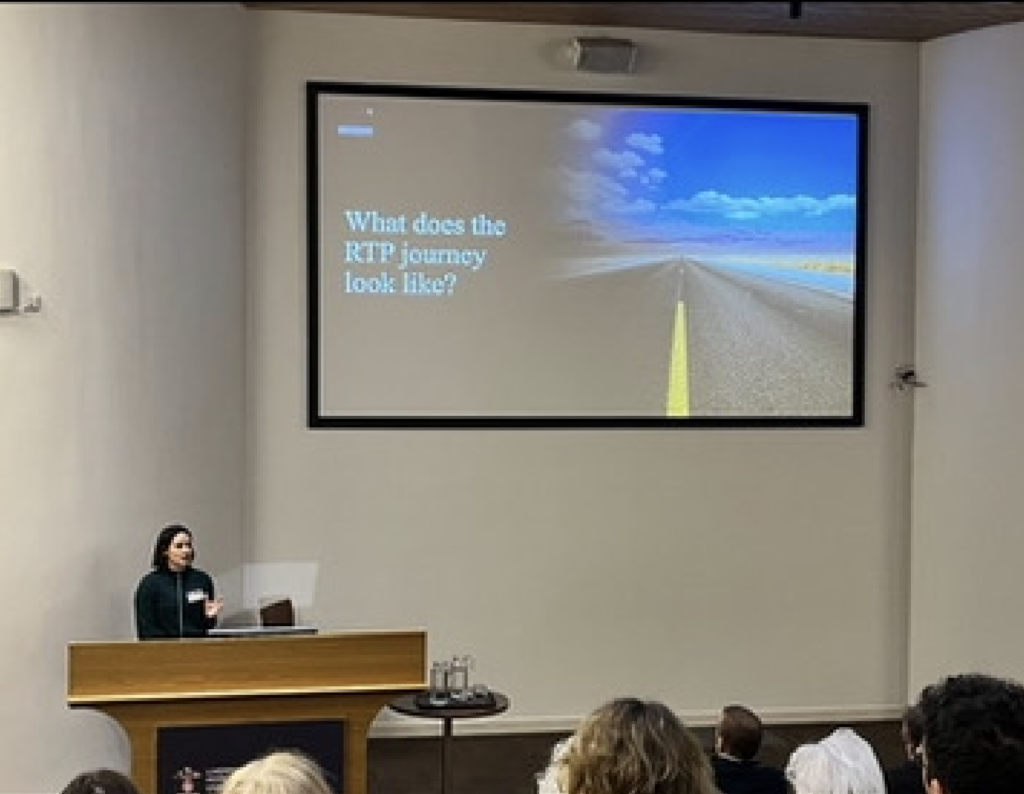
Late last year, I had the pleasure of presenting my research on the female rugby shoulder at the 4th Shoulder Conference at Liverpool Hope University. The conference brought together a wide range of experts, researchers, and clinicians to discuss developments in understanding shoulder health, injuries, and rehabilitation. It was both an exciting and rewarding experience to contribute to this gathering of knowledge and ideas.
My research focuses on the unique demands placed on the shoulders of female rugby players. Rugby is a physically demanding sport with a high risk of contact-related injuries, and the shoulder is particularly vulnerable. While research on male rugby players is extensive, there is less focus on female athletes, which leaves a critical gap in understanding their specific needs. My work aims to explore these differences and how they can inform tailored approaches to injury prevention and care.
Preparing for the Presentation
In preparing for the conference, I wanted to ensure my presentation was both informative and engaging for a diverse audience. It was important to highlight the key areas of my research, including:
- Injury Patterns: How shoulder injuries occur in female players, mechanism of injury, frequency of injury and most prevenlant diagnosis
- Athlete Considerations: The perspectives of players and practitioners towards return to play following a significant shoulder injury
- Practical Recommendations: Evidence-based ideas for preventing injuries and supporting rehabilitation, with a focus on female athletes.
On the Day
Standing in front of an audience at Liverpool Hope University was both a proud and reflective moment for me. Sharing my findings with a group of peers and professionals felt like an opportunity to contribute to an important area of sports medicine. The audience’s interest and thoughtful questions were encouraging, leading to some great discussions about how these insights could support both athletes and practitioners in the field.
One recurring theme was the importance of ensuring female athletes receive the same level of research and tailored support as their male counterparts. It was rewarding to see that my work resonated with others and added to the growing interest in gender-specific research within sports.

Learning and Connecting
The conference wasn’t just about presenting—it was also an opportunity to learn from others. The variety of topics covered, from shoulder mechanics to advances in rehabilitation techniques, was inspiring and gave me new ideas to think about for my own practice. Meeting and chatting with other professionals was a highlight, and it was great to exchange insights and explore potential future collaborations.

Looking Ahead
Presenting at the conference was a valuable experience. It reaffirmed the importance of bridging gaps in sports medicine research, especially for female athletes, and gave me fresh motivation to continue exploring this area and crack on with writing up my doctorate.
I left the conference feeling inspired, both by the progress being made and the opportunities to contribute further. Events like this remind us that research is a shared journey, and it’s exciting to be part of a community working to improve outcomes for athletes at all levels.