
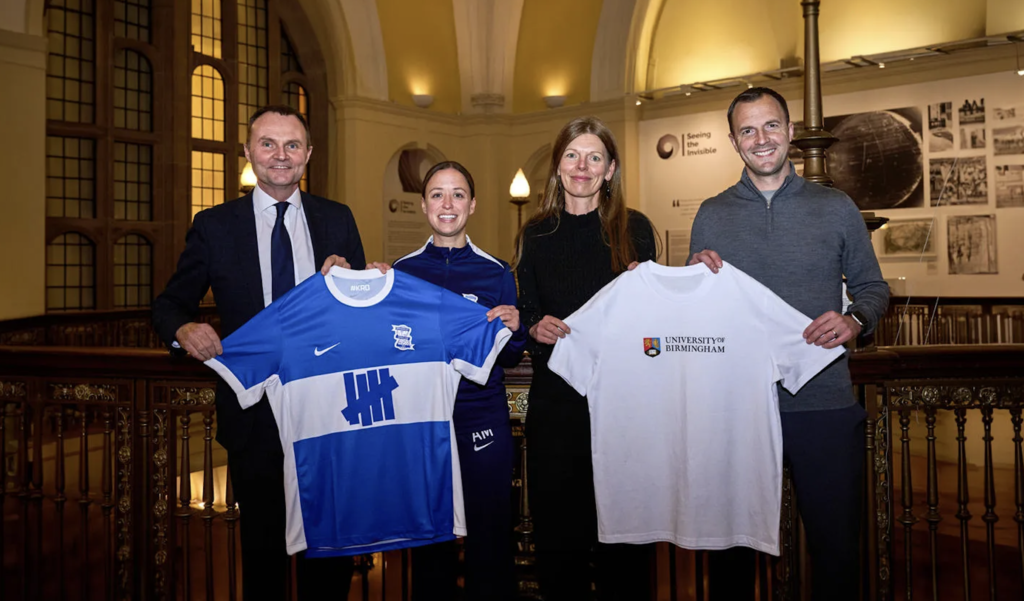
There are times when something really exciting happens at work. The announcement of the institutional level partnership between the University of Birmingham and Birmingham City FC (BCFC) is a great example of one of those times. The relatively recent investment in the club and the vision and strategy demonstrated by key people within the organisation creates an amazing opportunity for the club, the university and the city to develop something really unique. The initial phases of the partnership (characterised understandably by lots of formal meetings and visits) have served to further reinforce these possibilities. The scope of the projects that comes from these insights is huge though there are clear challenges (as with ever project) in moving from the conversation into the operationalisation.
I’ve been to be involved a number of projects like this one previously albeit at a smaller scale. Having the recent lived experience of this new relationship made me reflect on my past projects and consider what has contributed to making them successful or fail. Below is a small number of considerations that I think are important in supporting the development of relationships with external partners. While these come from my experiences with sports organisations, specifically football clubs, I suspect that they may be important for all such links. So, in no particular order:
- Get close to the action: Knowing the organisation and the people in it (not just the important ones, as many as you can) is absolutely key to creating successful projects. Most things in the world come down to personal relationships and these are only formed through authentic attempts to spend time with people. Showing a willingness to be around the organisation without any specific agenda will also help you understand the people and the factors that drive their behaviour. It will support the relationships that are key to all things moving forward to form organically and in a way that shows your prepared to come and meet them in their world
- Focus on their problems not your problems: This is an important one. Academics are great at thinking they have all of the best questions time spent thinking around a topic can lead to false assumptions about what are the real live issues that can plague individuals in the real world. Listening to peoples thoughts on their biggest challenges and trying to solve against their considerations will really support the creation of a positive relationship. There might be time for you to do the academic research that you may want to do but this certainly shouldn’t be the first idea to be operationalised.
- Start small but plan for bigger things: Seems obvious I guess but is again something that is often overlooked. Try and identify the “low hanging fruit”. A simple quick project that will form the basis for the collaboration moving forward. Once this quick win is delivered there will be so much more possibility to do other things. Work on the more detailed projects and plans though early in the relationship but keep them in the background until they are needed. That way you’ll have projects ready to roll once the initial ideas are complete
- Report and update key people: at the start of the project it’s not always clear in an organisation who the key decision maker/champion of the project is. It’s therefore really important to keep everyone in the loop about what’s happening and how the project is progressing. This will help ensure that you are also able to get the support that you need for the project to grow and flourish as you’ll have less need to work to get key decision makers to buy into what is happening through long updates
- Involve others to get involved: Involvement in a project like this might feel like it’s your “big break” and you may be tempted to try and keep everything within your control. Involving relevant others from the start will again help provide much needed support for the project (both in technical terms and personal ways). See the bigger and trust that the project will grow into something that provides all of the professional and personal growth that you need without having to be the sole person involved.

B.Drust@bham.ac.uk