
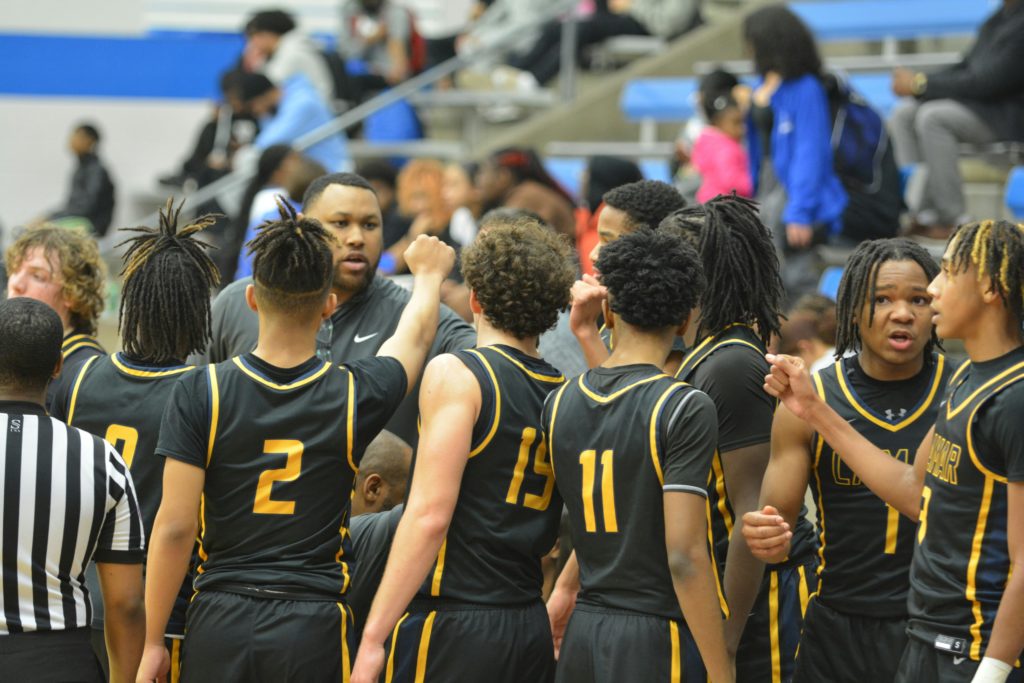
Photo by Lesli Whitecotton on Unsplash
Last week, I had a thought-provoking conversation with a Head of Performance that challenged how I think about athlete buy-in. It’s a topic I often discuss with students and early-career practitioners. My usual advice is to focus on building rapport. Understand the athlete, earn their trust, and show that you care about their development beyond performance.
But this conversation added a valuable layer. He cautioned against becoming too friendly with athletes. His point was clear: when you become their friend, it becomes much harder to retain authority and have difficult conversations when they are needed.
That really stuck with me. In high-performance environments, we are often balancing support with leadership. Athletes need to feel safe and understood, but they also need to respect boundaries. When those boundaries blur, it can undermine your ability to challenge behaviours, hold standards, or deliver honest feedback.
This is not about being cold or distant. It is about being intentional. You can be warm, empathetic, and approachable without becoming part of their social circle. The best practitioners I have worked with manage this balance well. They are trusted, respected, and able to lead when it matters most.
For those entering the field, this is an important lesson. Rapport is essential, but it is not the same as friendship. If your role involves coaching, performance management, or athlete welfare, maintaining professional boundaries is part of what makes your support effective.
It was a timely reminder, and one I’ll be sharing more widely with those looking to build lasting impact in sport.

T.Brownlee@bham.ac.uk