
Birmingham Environment for Academic Research (BEAR) Newsletter
December was an exciting month for the team, as one of the student teams from BEAR Challenge won the national Computing Insight UK Cluster Challenge! Team ‘Beariables’ gave an amazing performance to beat 16 teams from across the UK, and now go on to represent the UK at the International Supercomputing Conference in Hamburg – see the CIUK blog post to find out more. As we start 2026, we were intrigued to see ‘Vibe coding’ named as word of the year for 2025 – you can read more about the term in our blog post on vibe coding.
Included in this month’s newsletter:
- Cooling works in the data centre – upcoming service disruption
- Grade 7 Research Software Engineer post
- New starter in the Architecture, Infrastructure and Systems Group
- BEAR training workshops – spring dates plus brand new workshops!
- New Research Computing and Data Community
- Call for R User Group Committee volunteers
- MATLABsolute Beginners event – 26 February
- Addition of job efficiency information to BlueBEAR stats file
- Seminar: ‘Making computational science more environmentally sustainable’ – 4 February
- Sustainable Research Computing workshop – 17 March
- NetDRIVE 2026 Summer School for PGRs – 15 to 19 June
- Webinar: The benefits and challenges of open source software in research – 11 February
- Modelling accelerator-based neutron sources using BlueBEAR
- BEAR drop-in session dates
News from the Advanced Research Computing team
Cooling works in the data centre – upcoming service disruption

Hopefully all users of BEAR services will have seen the recent email notifying them of upcoming essential maintenance on cooling systems that will impact our services over Easter, in particular the HPC-facility, BlueBEAR, which will be unavailable for two weeks – see the blog post on the cooling works for more details.
Grade 7 Research Software Engineer post

Advanced Research Computing is seeking to appoint a Research Software Engineer (Grade 7), for a permanent position. Don’t miss your chance to join the growing team of Research Software Engineers – find out more in the recruitment blog post (closing date Wednesday 1 March).
New starter in the Architecture, Infrastructure and Systems Group
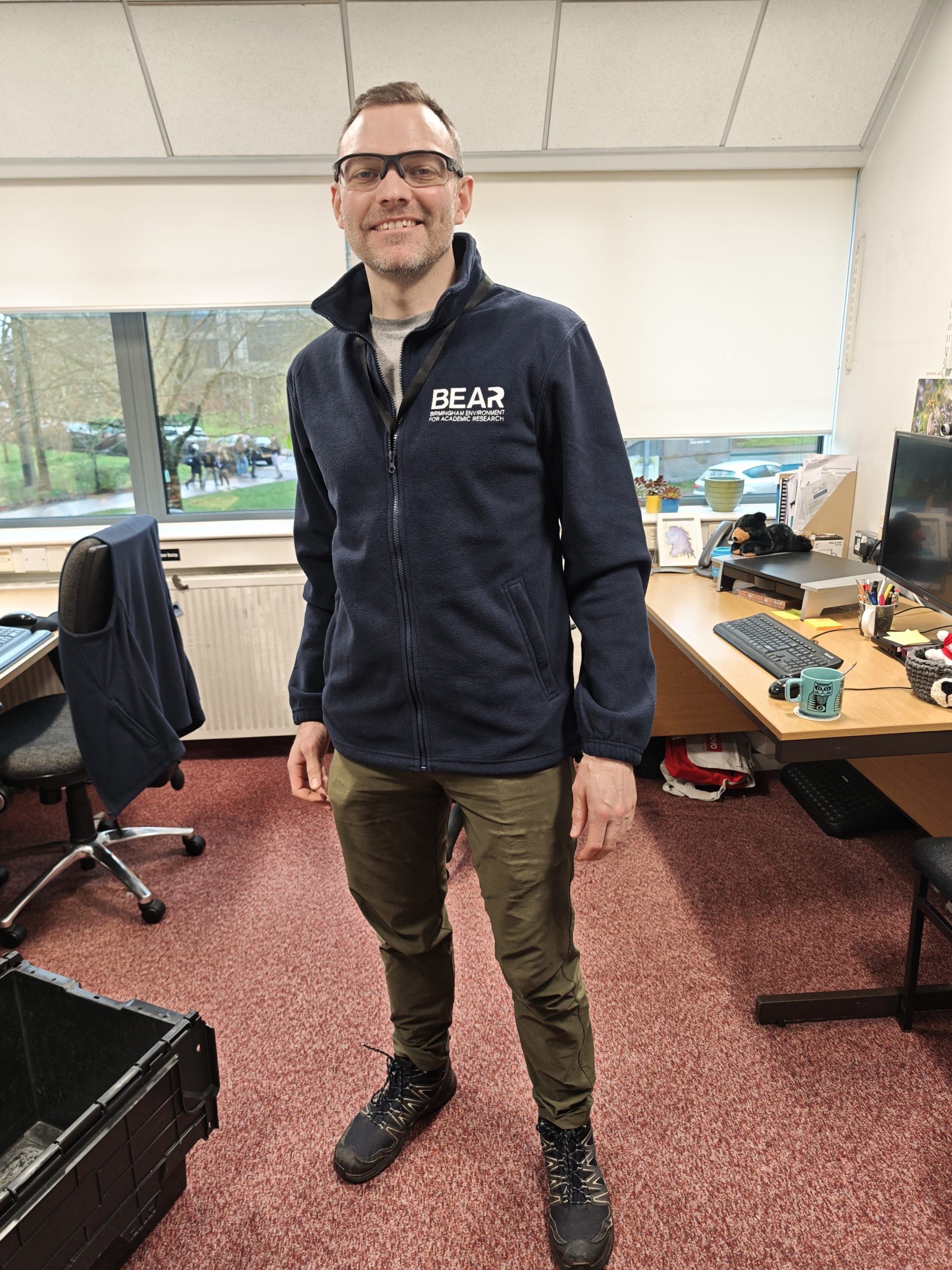
We are pleased to welcome Kenny Gillen to the Advanced Research Computing team (see Bluesky post here). Kenny joins the Architecture, Infrastructure and Systems Group as a Principal Research Infrastructure Engineer for Security and Compliance.
BEAR training workshops – spring dates plus brand new workshops!
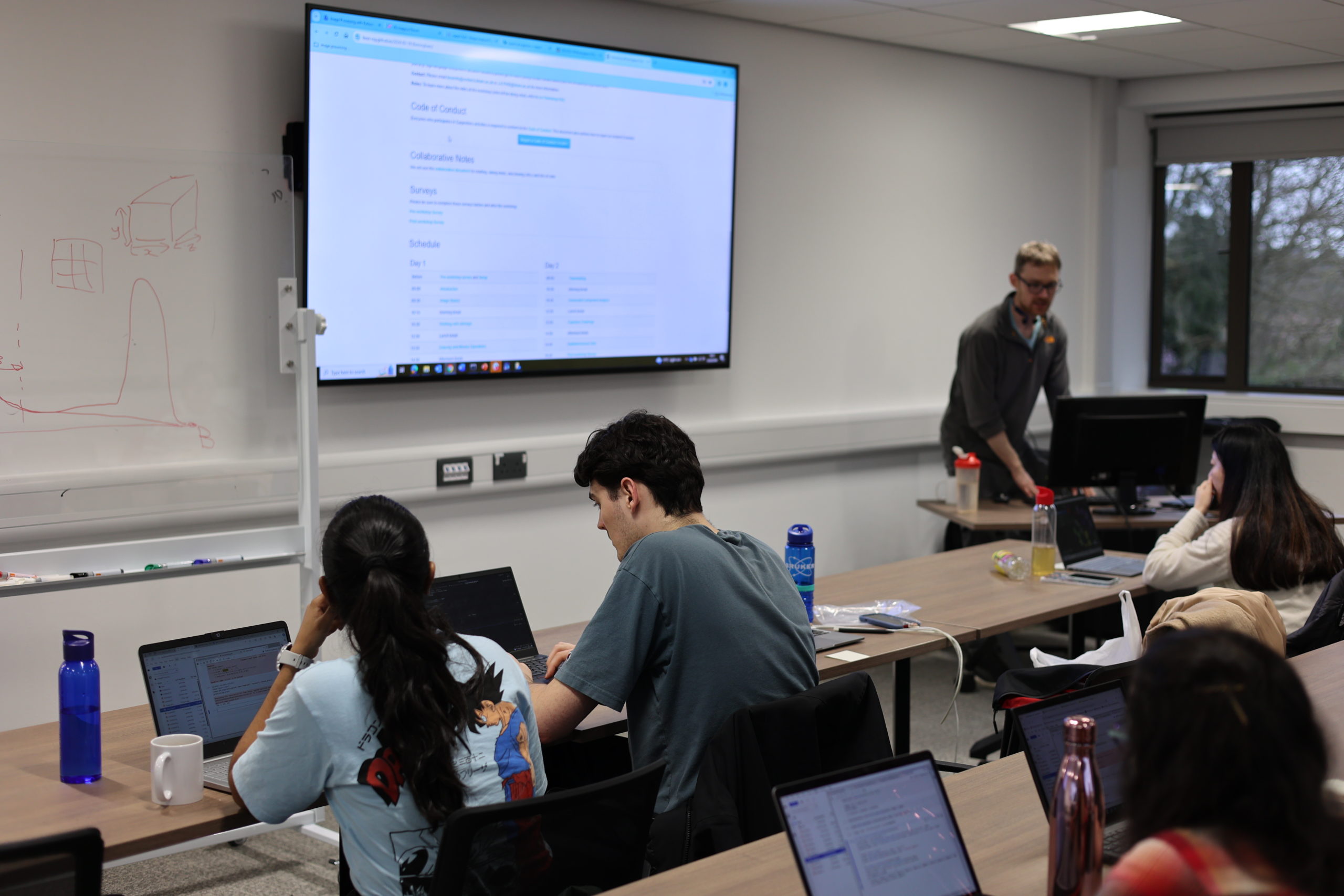
We have a new series of training courses scheduled for the spring term, from beginner to advanced level. Topics include Linux, Python, MATLAB, R, and Deep Learning. We are also launching brand new courses on Web Scraping! You can find full details and booking on the training webpages.
User group updates
New Research Computing and Data Community

The Advanced Research Computing team is bringing all its Special Interest Groups together into a single Teams community – the new Research Computing and Data Community (RCDC) – to make it easier for researchers to connect, collaborate, and discover new interests. You can find out more, including how to join in the RCDC blog post.
Call for R User Group Committee volunteers

We’re looking for volunteers to help re-launch the R User Group at the University of Birmingham, one of the new channels in the RCDC mentioned above. This Special Interest Group (SIG) will bring together R users from across the University to share knowledge and skills. Find out more in the R User Group blog post.
MATLABsolute Beginners – 26 February

On Thursday 26 February at 15:00-17:00, MATLAB SIG Chair and Student Ambassador, Dagmar Fraser, will be hosting a gentle introduction to the MATLAB programming environment – with experts, pizza and merchandise! For more information, including how to book your place, see the MATLABsolute event flyer.
Sustainability updates
Addition of job efficiency information to BlueBEAR stats file

Further to BEAR Champion feedback, we have now added output from the ‘seff’ command to the .stats output file when running jobs on BlueBEAR. This enables users to browse job efficiency stats without needing to run the ’seff’ command. More information on monitoring job efficiency can be found on the ‘Monitoring a job’ section of BEAR Technical Docs.
Seminar: ‘Making computational science more environmentally sustainable’ – 4 February

Founder of the Green DiSC digital sustainability certification scheme, Dr Loïc Lannelongue from the University of Cambridge will be visiting the University on Wednesday 4 February to discuss ‘Green Algorithms, Green DiSC and GREENER principles: making computational science more environmentally sustainable’. The seminar will be held in room G16/LT1 in 52 Pritchatts Road (building G9) at 13:00-14:00.
Sustainable Research Computing workshop – 17 March

As part of the University’s activities for Green Week, we will be running an interactive 2-hour in-person workshop on ‘Sustainable Research Computing’ on Tuesday March 17 at 10:00-12:00. Aimed at researchers who rely on computing in their work, we will explore the hidden energy costs of high-performance computing and learn practical strategies to reduce your environmental impact. Find out more and book your place via the workshop Eventbrite page.
NetDRIVE 2026 Summer School for PGRs – 15 to 19 June

Applications are invited for the five-day fully funded NetDRIVE 2026 Summer School from any UK based PGR whose research involves the use of computational or data facilities, and who is interested in changing the way they work with large-scale compute to enable a move to Net Zero. For more details see the Summer School webpage (deadline Sunday 1 February).
Upcoming conferences/webinars
Webinar: The benefits and challenges of open source software in research – 11 February
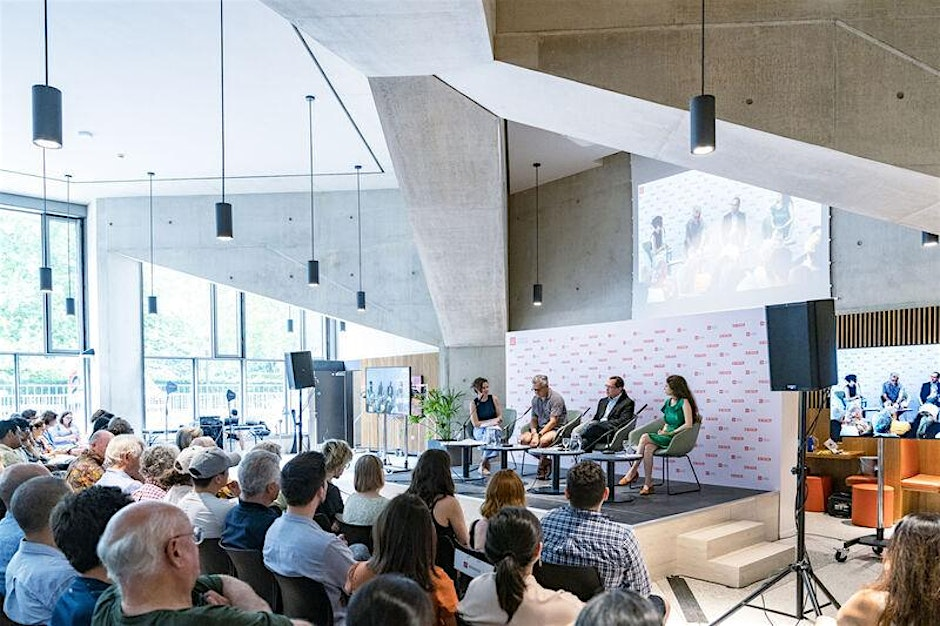
On Wednesday 11 February at 12:00-13:00, LSE Open Research Services are delivering a hybrid session on ‘The Benefits and Challenges of Open Source Software in Research’. Find out more and book a place via the LSE Eventbrite page.
Case study
Modelling accelerator-based neutron sources using BlueBEAR
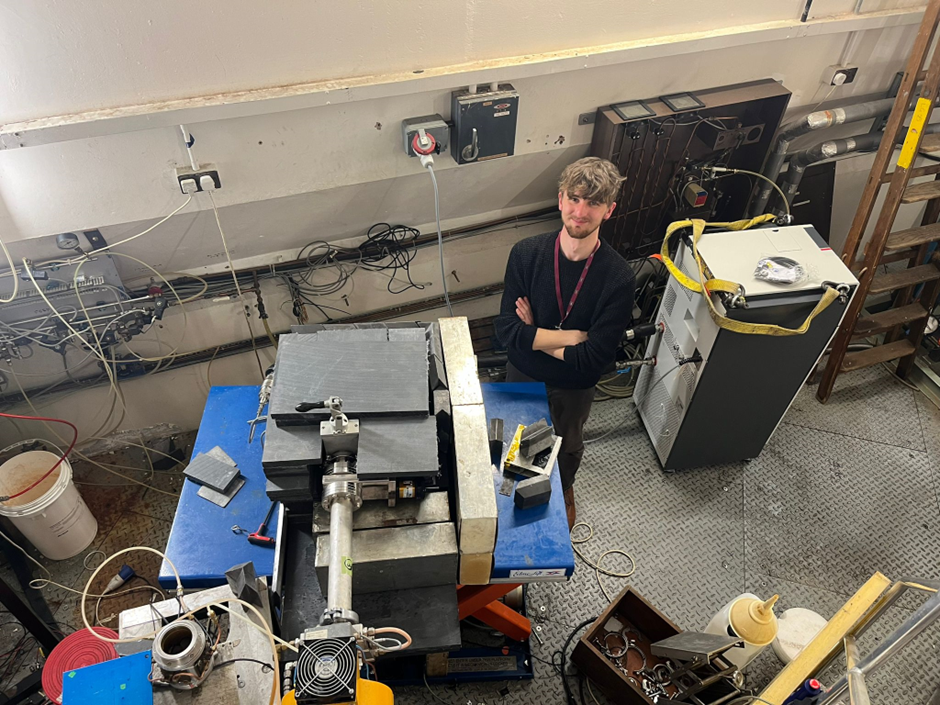
In this month’s featured case study, we hear from PhD student Louis Butt (Metallurgy and Materials), who explains how he uses our supercomputer, BlueBEAR, for research into accelerator-based neutron sources at the University’s Cyclotron Facility. Louis is running Monte Carlo simulations of billions of particles, a task that would take weeks on a local machine but only takes a few hours when running the model in parallel on BlueBEAR. Have a read of Louis’s case study to find out more.
Opportunities for 1:1 support
BEAR drop-in session dates

We are currently holding monthly in-person drop-in sessions on the first Wednesday of the month on the first floor of Staff House (formerly Café Aroma). We also provide additional virtual drop-in sessions via Zoom for those not on campus or who require specialist help – check the drop-in webpage for updates, as well as details on how to join the sessions. Currently scheduled dates are also listed below:
- Via Zoom – Thursday 29 January, 13:30-14:30
- In-person – Wednesday 4 February, 11:30-12:30 – Staff House, first floor (look for our banner)
- Via Zoom – Monday 9 February, 11:00-12:00
- Via Zoom – Tuesday 17 February, 13:30-14:30
Missed last month’s newsletter?
Find November’s newsletter here. Sign up to receive the newsletter direct to your inbox by joining our bear-updates mailing list here (UoB login required), or ask to join via email at bearinfo@contacts.bham.ac.uk