
Background
Understanding the Community
The D/deaf community is a diverse population with a wide range of communication preferences, experiences and identities. For many D/deaf people who use British Sign Language (BSL) as their primary language, BSL is not simply a translation of English but a distinct language with its own grammar, structure and cultural context. As a result, written English may not be the preferred or most accessible format for receiving information.
Research and lived experience have highlighted that D/deaf communities can face significant barriers in accessing healthcare information and services, including communication challenges, reduced access to health information, and difficulties navigating healthcare systems. These barriers can contribute to poorer health literacy and experiences of feeling excluded from health-related discussions and decision-making.
Despite these challenges, D/deaf communities possess strong cultural identities, rich social networks and valuable lived expertise regarding accessibility and communication. Engaging directly with D/deaf communities is therefore essential to ensure that health information, research and public involvement activities are inclusive, accessible and responsive to their needs.
Recognising these challenges and opportunities, we worked closely with Birmingham Inclusive Deaf (BID) Services to co-deliver an event that would provide accessible information about Polyendocrine Metabolic Ovarian Syndrome (PMOS), while creating a space for meaningful dialogue and shared learning.
BID Services works to remove barriers and deliver services which enable and empower those who are D/deaf, hard of hearing, sight impaired, deafblind or have other disabilities to live full lives. It was therefore our pleasure to collaborate with them as part of our commitment to inclusive patient and public involvement and engagement (PPIE). On the 22nd June 2026, we delivered a community engagement event focused on Polyendocrine Metabolic Ovarian Syndrome (PMOS), previously known as Polycystic Ovary Syndrome (PCOS) at the Birmingham Deaf Cultural Centre.
PMOS affects approximately one in eight women and is a complex condition with reproductive, endocrine and metabolic impacts. The event aimed to improve awareness of PMOS, provide accessible information about reproductive and metabolic health, and create opportunities for dialogue between researchers, people with lived experience, and members of the D/deaf community.
We were approached by Birmingham Inclusive Deaf (BID) following their awareness of previous women’s health engagement workshops that our team had delivered with other underserved and underrepresented communities. BID recognised the value of providing accessible, evidence-based health information in a community setting and identified an opportunity to work together to address an important gap in awareness and understanding of PMOS within the D/deaf community. This invitation provided valuable external validation of our previous engagement work and demonstrated the importance of building trusted relationships with community organisations over time.
Approximately 17 women attended the event from a range of backgrounds, with around two-thirds being from ethnically diverse communities. The audience included women from a range of age groups and experiences, many of whom had not previously attended an event focused on PMOS. Additionally, two British Sign Language (BSL) interpreters provided interpretation throughout the session, ensuring communication was accessible for all attendees.
What We Did
The session began with a science talk from Dr Jan Idowkiak, who provided an overview of menstrual and reproductive health. The discussion covered:
- What is considered a normal menstrual cycle and when symptoms may warrant further investigation.
- How PMOS can present with irregular or absent periods due to ovulation difficulties.
- The impact that ovulation problems can have on fertility for some women with PMOS, while recognising that experiences vary considerably between individuals.
- Symptoms associated with androgen excess, including acne and excess hair growth.
- Less visible aspects of PMOS, including insulin resistance and its links to cardiovascular, metabolic and mental health.
The presentation also highlighted that PMOS is not solely a reproductive condition and that many of its impacts extend across the life course (including post-menopause), affecting metabolic, cardiovascular and endocrine health.
Dr Idkowiak, who is a consultant paediatric endocrinologist and researcher also spoke about his research and interests in studying the impacts of excess androgen in young people and children and how this links to health in later life.
We were then joined by Kate Morris, a representative and stalwart volunteer from Verity, who shared her lived experience and spoke about the charity’s work, history and aims to support people affected by PMOS.
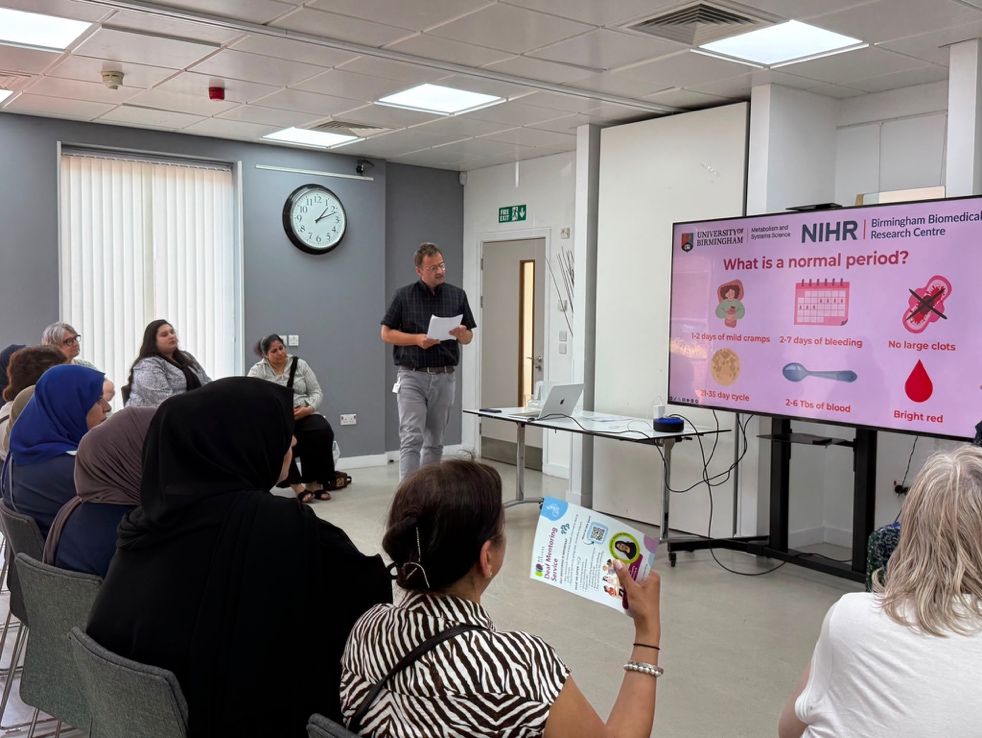
Dr Jan Idkowiak giving his talk about the signs and symptoms of PMOS
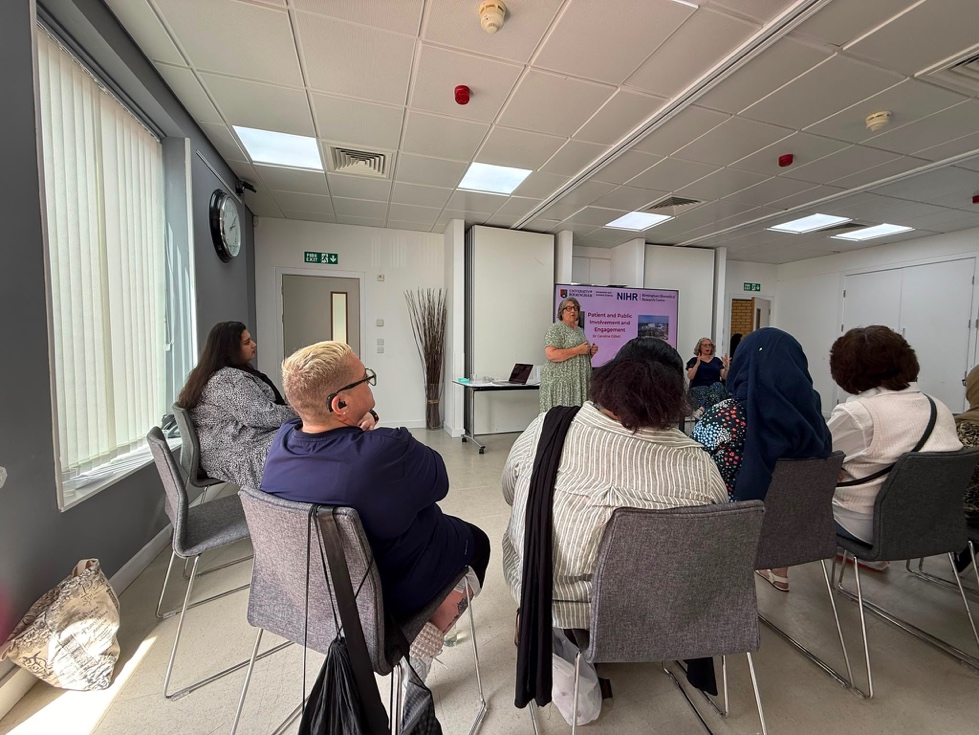
Kate Morris introducing Verity – The UK PMOS Charity
Dr Caroline Gillett, who organised the event and who supports PPIE activities within the BRC Women’s Metabolic Health theme provided an overview of recent developments in the PMOS landscape, including:
- The establishment of the All-Party Parliamentary Group (APPG) on Women’s Health.
- The launch of the APPG’s Breaking Barriers report.
- The James Lind Alliance (JLA) Top 10 research priorities and how these priorities were developed in partnership with patients, carers and healthcare professionals.
Dr Gillett also discussed the rationale behind the proposed name change from Polycystic Ovary Syndrome (PCOS) to Polyendocrine Metabolic Ovarian Syndrome (PMOS). The proposed terminology aims to better reflect the complex endocrine and metabolic nature of the condition, which extends beyond ovarian symptoms alone and encompasses reproductive, metabolic and long-term health impacts.
This was followed our lived experience partner, Sunila, who reflected on her experiences as a South Asian woman living with PMOS. She discussed how increased knowledge and self-advocacy had helped her better understand and manage her condition, while sharing her perspective on the importance of new name and terminology that better reflects the lived reality of the condition.
The event was co-delivered with lived experience partners, ensuring that clinical, research and personal perspectives were represented throughout the session. In preparation for the event, Sunila and Caroline worked closely together to plan the content, coordinate who would cover different topics, and rehearse presentations in advance. This collaborative approach helped ensure that information about PMOS was balanced with real-world experiences of living with the condition, while also creating opportunities for attendees to hear directly from women who had navigated diagnosis, self-advocacy and healthcare systems themselves. The involvement of lived experience partners throughout the planning and delivery of the event strengthened the relevance, authenticity and accessibility of the discussions. Jan and Caroline also met with BID Services early on to coordinate a date for the event and to plan logistics and content for the day.
Questions and discussion were encouraged throughout the event, creating a highly interactive and engaging atmosphere.
Two qualified BSL interpreters supported the event throughout. We learned that sign language interpretation is cognitively demanding work, requiring interpreters to listen, process information and communicate meaning simultaneously. To maintain accuracy and minimise fatigue, the interpreters worked as a pair and alternated approximately every 15 minutes. Recognising the intensity of communication for both attendees and interpreters, we also incorporated a short break midway through the two-hour session, allowing everyone an opportunity to stretch their legs, refresh themselves and continue engaging comfortably for the remainder of the event.
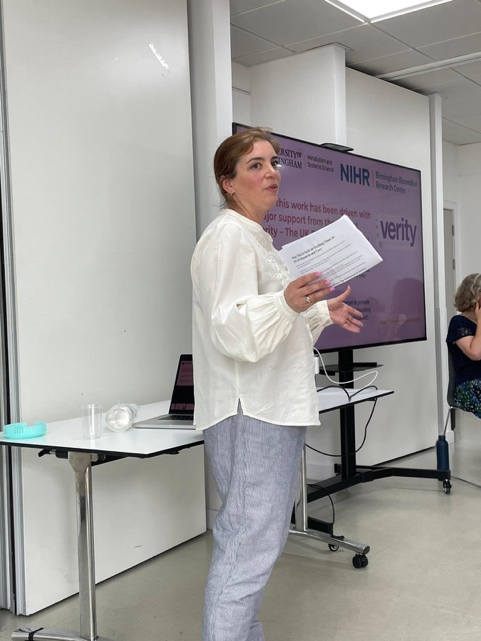
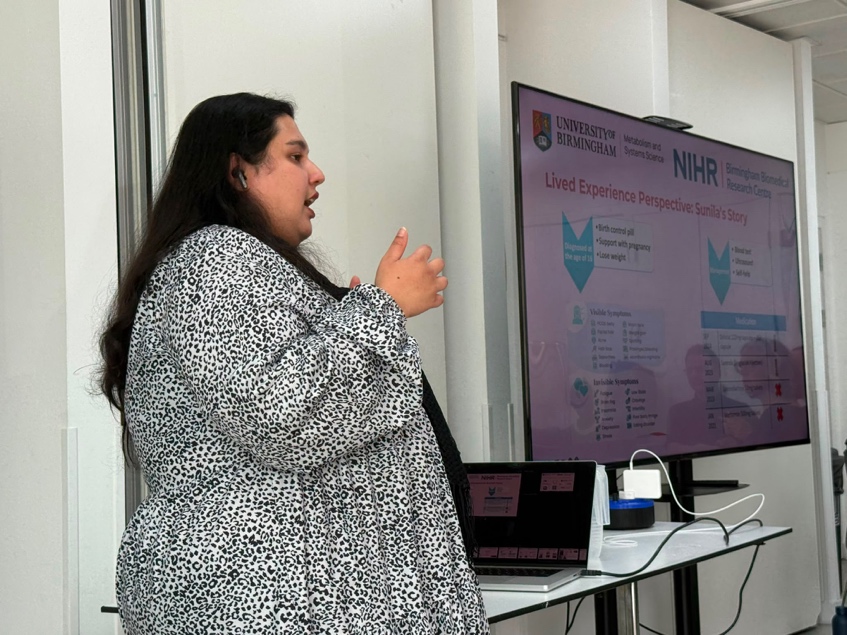
Dr Caroline Gillett and Sunila Siddiqui giving talks on recent PMOS developments
What We Learned
One of the most valuable outcomes of the event was the opportunity to learn directly from members of the D/deaf community.
Prior to the event, we had not fully appreciated that written English is not necessarily the first language of many Deaf BSL users. We learned that BSL grammar and structure differ significantly from English, with a greater emphasis on conveying meaning visually rather than through direct word-for-word translation.
This had important implications for how health information should be communicated. During the session, we adapted our delivery by:
- Speaking more slowly.
- Breaking down complex concepts and terminology.
- Explaining words such as “hormones”, “metabolism” and “insulin resistance” in simpler and more accessible ways.
- Using clear visual explanations wherever possible.
The interpreters provided invaluable support, not only by translating information but also by helping us understand how best to communicate effectively with the audience. We were advised beforehand to always address attendees directly rather than speaking to the interpreters, and to allow sufficient time for all communication to be interpreted accurately. This guidance was extremely helpful and contributed to a respectful and inclusive environment.
The event also increased our understanding of the practical considerations required when planning accessible engagement activities. We learned that providing two interpreters is considered best practice for longer sessions, as interpretation requires sustained concentration and can be physically and mentally demanding. Building regular breaks into the programme is equally important, helping to reduce fatigue for attendees, interpreters and presenters alike.
We were also advised that many Deaf individuals face barriers in accessing healthcare information, and that health literacy can be negatively impacted by communication barriers throughout life. This reinforced the importance of ensuring information is accessible, visual and presented in ways that are meaningful to the intended audience. We will certainly look to improve our content even further in any future activity with this community.
The event highlighted wider issues around healthcare accessibility. We were disappointed, but not surprised, to hear that many attendees reported negative experiences when seeking healthcare support. Several women described feeling unheard, dismissed, or unable to access clear information about their symptoms and concerns. These experiences strongly reflected similar themes identified in the APPG Breaking Barriers report, particularly around women feeling ignored or not listened to within healthcare settings. However, it was humbling to be made more aware of the additional challenges the D/deaf community may sometimes face in accessing information and support in healthcare settings.
Impact and Discussion
The timing of the event was particularly important. Over the previous year, significant developments had taken place within the PMOS field, including growing recognition of the proposed name change from Polycystic Ovary Syndrome (PCOS) to Polyendocrine Metabolic Ovarian Syndrome (PMOS), publication of the APPG Breaking Barriers report, and increased patient and public involvement through initiatives such as the James Lind Alliance priority setting partnership. Together, these developments have helped raise awareness of the broader impacts of the condition and highlighted the need to engage communities who may previously have been excluded from these conversations.
The event therefore provided a timely opportunity to share these developments with an underrepresented community and ensure that members of the D/deaf community were included in ongoing discussions about awareness, support, research and advocacy.
It was also noticeable to us as presenters that many attendees appeared to resonate strongly with the information being shared. A particularly striking aspect of the event was how many attendees appeared to recognise symptoms of PMOS either in themselves, family members, or friends.
Throughout the discussions, several women shared personal experiences of:
- Fertility investigations and treatment journeys.
- Long periods of uncertainty before receiving answers about their symptoms.
- Concerns about daughters or relatives whom they suspected might have PMOS.
- Experiences of repeated healthcare appointments and investigations without feeling they had received satisfactory explanations or support.
This suggests that awareness of PMOS and its wider health implications may be limited within some communities. The opportunity to discuss symptoms openly, ask questions and hear lived experiences appeared to be particularly valuable. The event reinforced the importance of raising awareness of PMOS in underserved communities and demonstrated how accessible engagement activities can help people identify symptoms, seek support and feel less isolated in their experiences.
While we were unable to provide individual medical advice, we did our best to signpost attendees to trusted sources of information, support organisations and relevant local healthcare services or contacts where appropriate.
Reflections
This event was a powerful reminder that meaningful public engagement requires adaptation, listening and partnership. Working alongside BID, the Deaf Cultural Centre, the interpreters and our lived experience contributors enabled us to deliver information in a way that was more accessible and responsive to the needs of the audience.
Most importantly, we were struck by how welcoming, patient, engaged and humorous the attendees were throughout the session. Despite discussing challenging personal experiences, the atmosphere remained warm, supportive and encouraging. We are extremely grateful to everyone who participated, shared their stories and helped us learn.
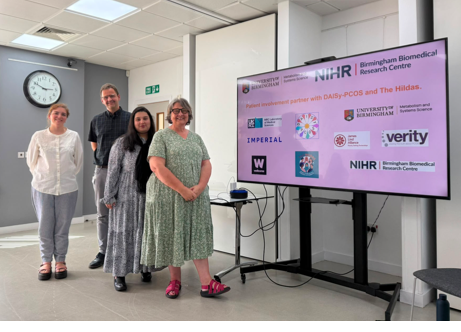
The group kindly offered to take a photograph with the project team. While attendees understandably preferred not to be individually photographed, they were enthusiastic about helping to raise awareness of both PMOS and the importance of engaging with the D/deaf community.
The interpreters also played a crucial role in facilitating meaningful dialogue throughout the event. They skilfully translated presentations, questions and discussion in both directions, supporting communication between attendees with varying levels of speech and hearing ability, including some women who did not communicate verbally. Their expertise was instrumental in creating an inclusive environment where everyone could participate.
We would like to extend our sincere thanks to all attendees, BID, the Birmingham Deaf Cultural Centre, our interpreters, Kate and Verity, and our lived experience partners for making the event such a valuable and memorable experience.
How This Will Influence Our Future Work
This event has strengthened our commitment to engaging with communities that are often underrepresented in research, healthcare conversations and public engagement activities.
In future work, we will seek opportunities to continue collaborating with D/deaf communities and to build accessibility considerations into project planning from the outset rather than as an addition later in the process. The event demonstrated that meaningful inclusion often requires adaptation in communication style, content design, timing and delivery, but that these adaptations can significantly improve engagement and understanding for all participants.
We will also explore ways to make future activities more accessible through:
- Greater use of visual materials and plain language explanations.
- Co-designing resources with community members to ensure they are accessible and relevant.
- Building sufficient time into events for interpretation, discussion and reflection.
- Considering accessibility requirements and associated costs during project development and funding applications.
- Developing stronger partnerships with community organisations that can advise on culturally and linguistically appropriate engagement approaches.
- Seeking feedback from participants on how future events could be made even more inclusive and accessible.
Importantly, the experience highlighted that while some adaptations require dedicated resources, many improvements are low-cost and achievable through thoughtful planning. For example, simplifying language, allowing additional discussion time, providing visual aids, sharing materials in advance, and seeking advice from community partners can substantially improve accessibility without significant additional expenditure.
We will also continue to embed lived experience perspectives throughout the design, planning and delivery of engagement activities. This event demonstrated the value of researchers and lived experience contributors working together as equal partners, combining scientific expertise with personal insight to create more relevant, relatable and impactful discussions. Future activities will continue to build on this co-production approach wherever possible.
As researchers and public engagement practitioners, we recognise that we still have much to learn. We hope to continue building our knowledge and confidence in delivering inclusive engagement activities and to work alongside community partners to identify practical and sustainable approaches that enable broader participation, particularly when budgets are limited. We also hope to build on the relationships established through this event and explore opportunities for future engagement and involvement activities with the Deaf community.
Key PPIE Learning
- Health information must be adapted, not simply translated, to be genuinely accessible.
- Written English should not be assumed to be the preferred or primary language of Deaf BSL users.
- Providing two interpreters and appropriate breaks is essential for longer sessions and supports high-quality communication.
- Partnerships with community organisations are essential for reaching underserved groups.
- Members of the D/deaf community may face additional barriers in accessing health information and healthcare services.
- Co-production with lived experience partners strengthens the relevance, authenticity and impact of engagement activities.
- Interactive discussion and lived experience perspectives create opportunities for mutual learning.
- Inclusive engagement can identify unmet information needs and help shape future research and public involvement activities.
- Many accessibility improvements can be achieved through thoughtful planning and co-design, even when resources are limited.