
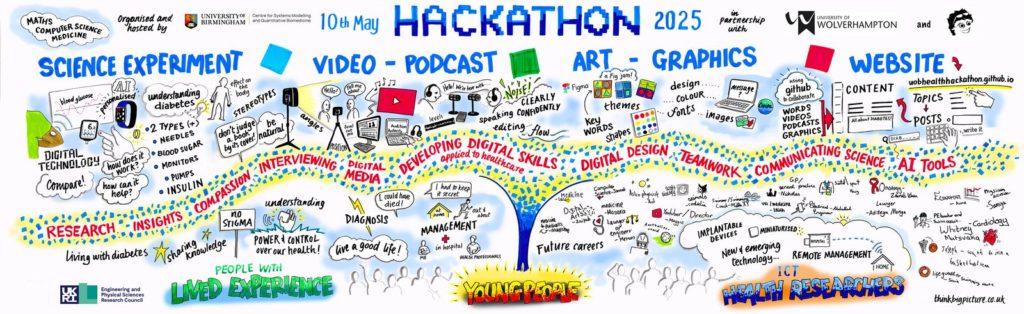
On Saturday 10 May 2025, we delivered a one-day Health Hackathon bringing together young people, scientists, digital specialists, artists, and people living with diabetes to explore endocrinology through hands-on science, healthcare technologies, and digital creativity.
While a core aim was to build confidence in digital skills, the scientific focus was firmly rooted in endocrinology, using diabetes as a real-world case study to connect physiology, data, lived experience and technology.
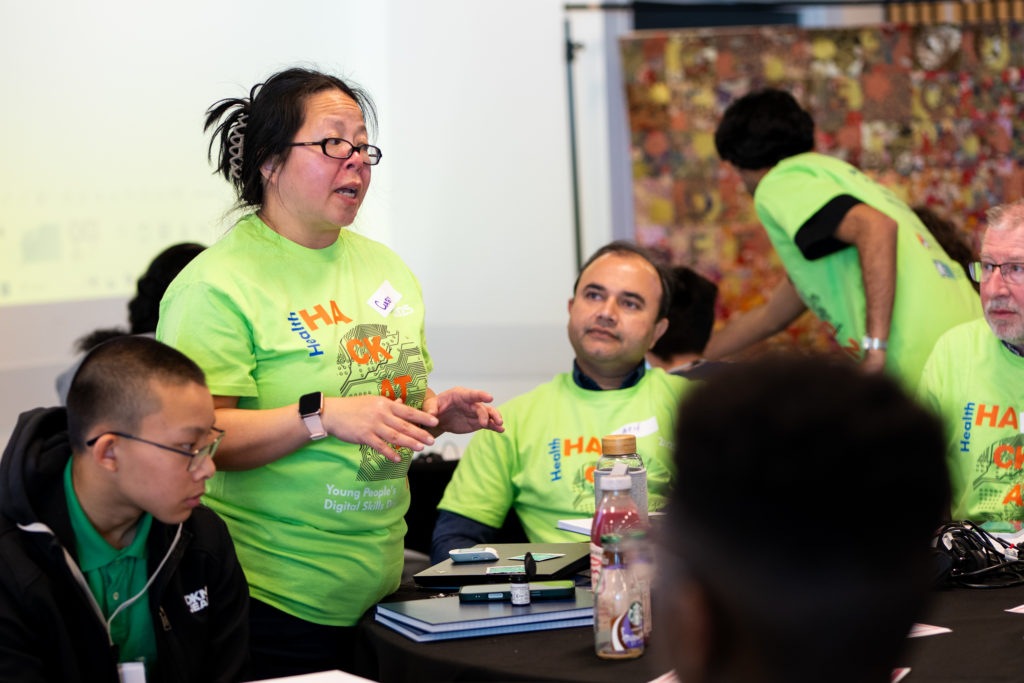
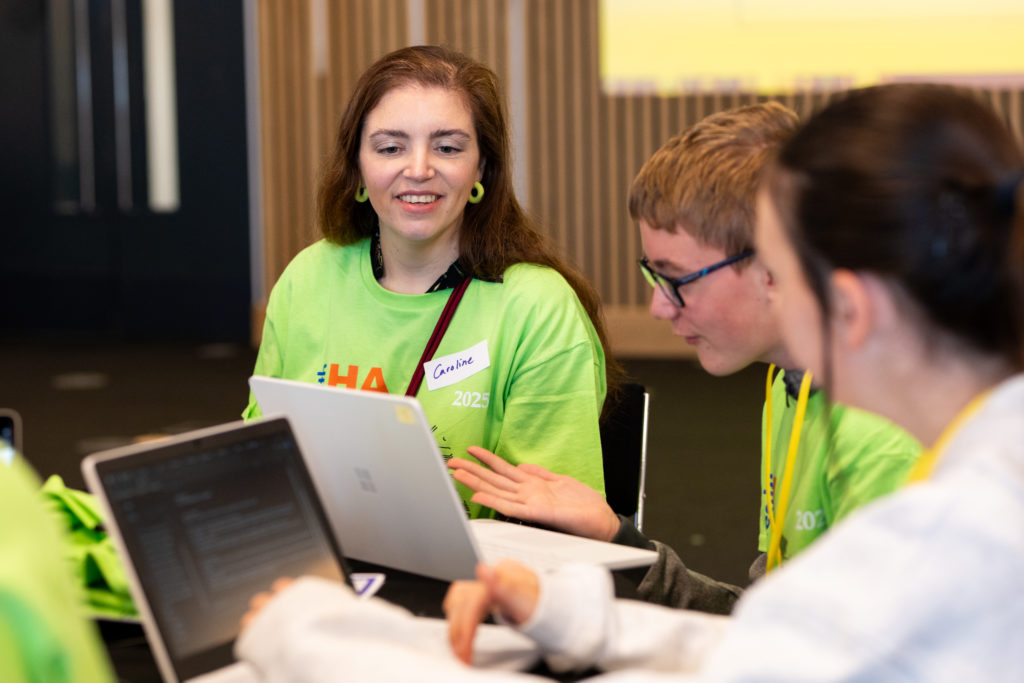
The Challenge: Making Diabetes Science Public
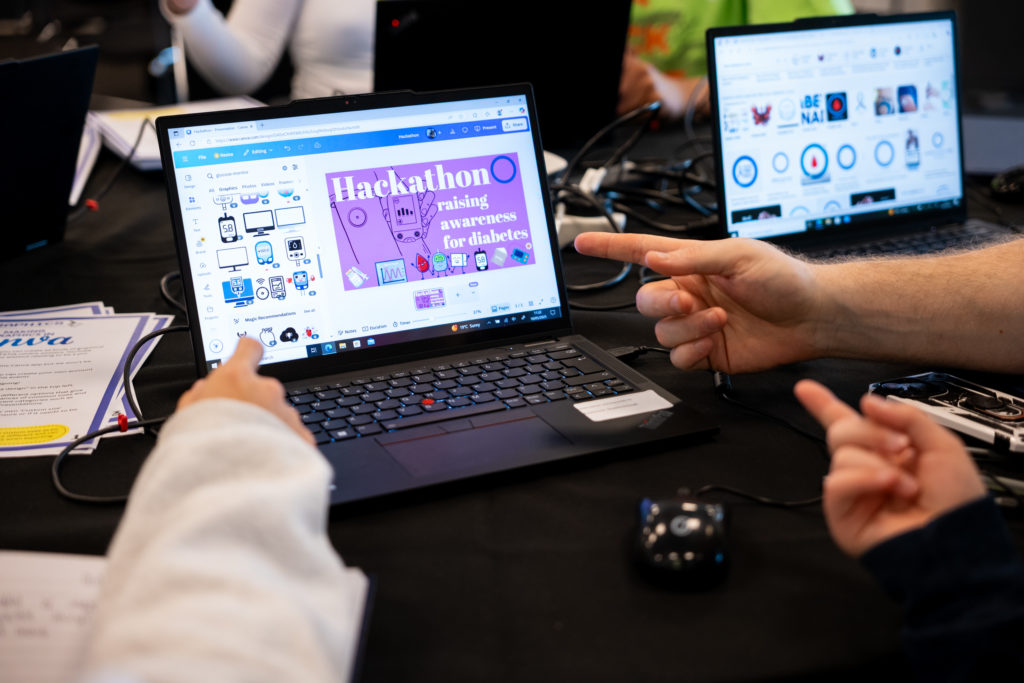
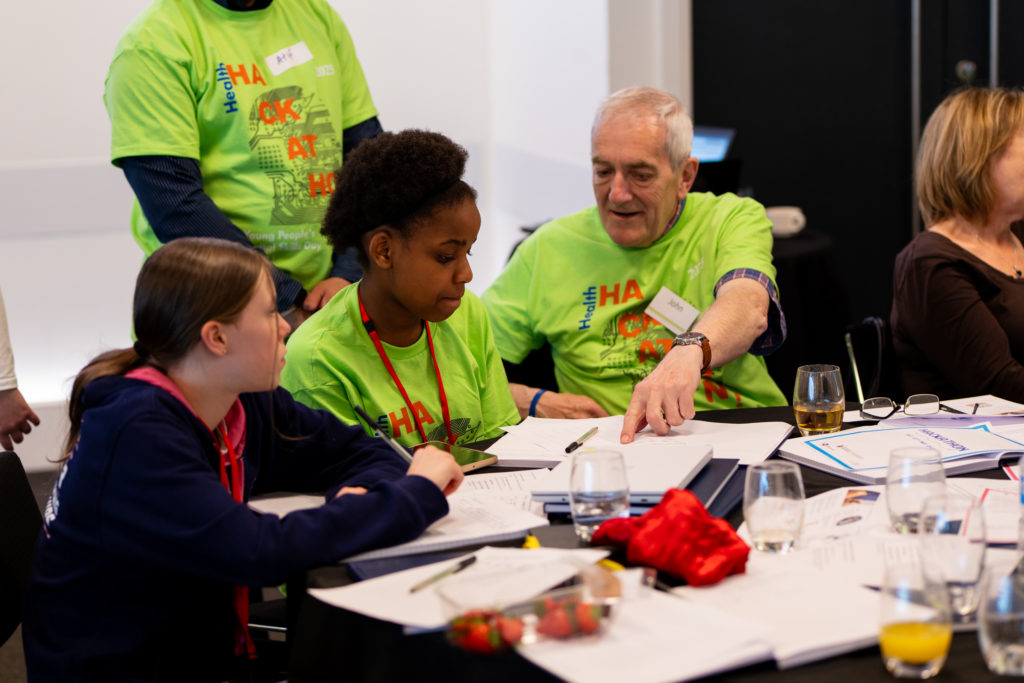
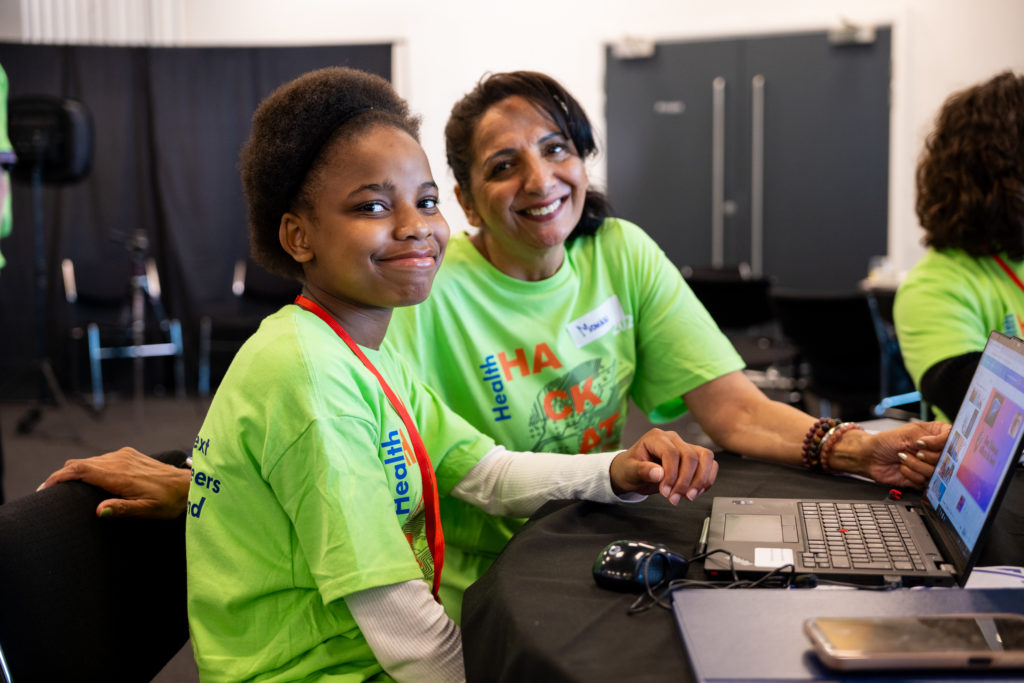
Young people aged 10–16 were challenged to collaboratively create a public-facing website raising awareness of diabetes. This gave participants a tangible output they could immediately share with friends and family, while engaging with endocrine science in an accessible, meaningful way.
Students rotated through interlinked activities including:
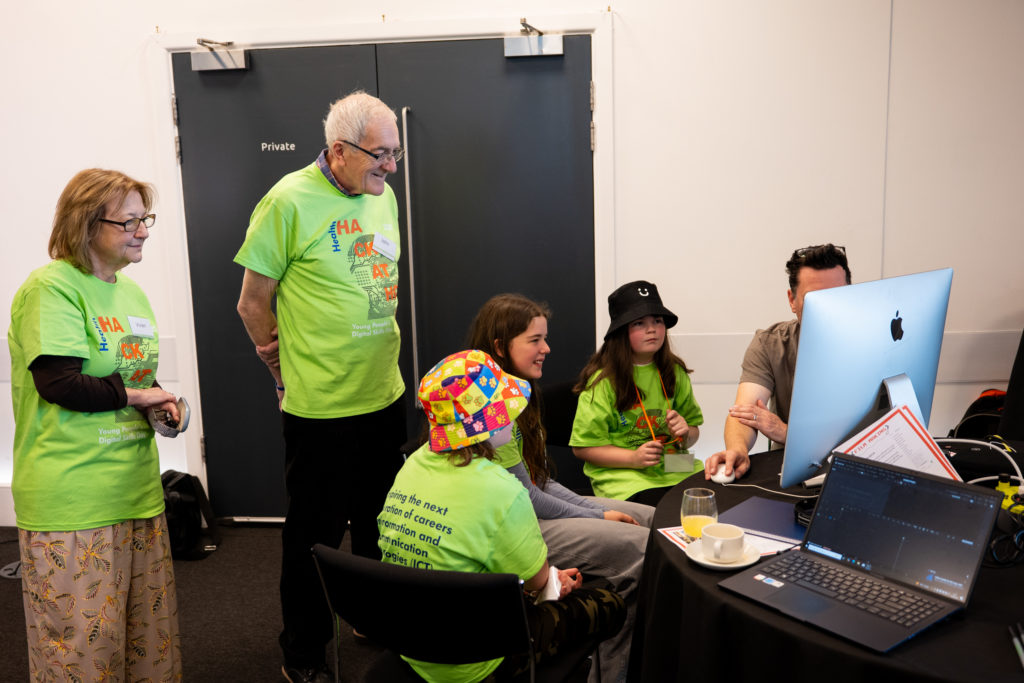
- Website design and ethical use of generative AI
- Graphic design and digital art
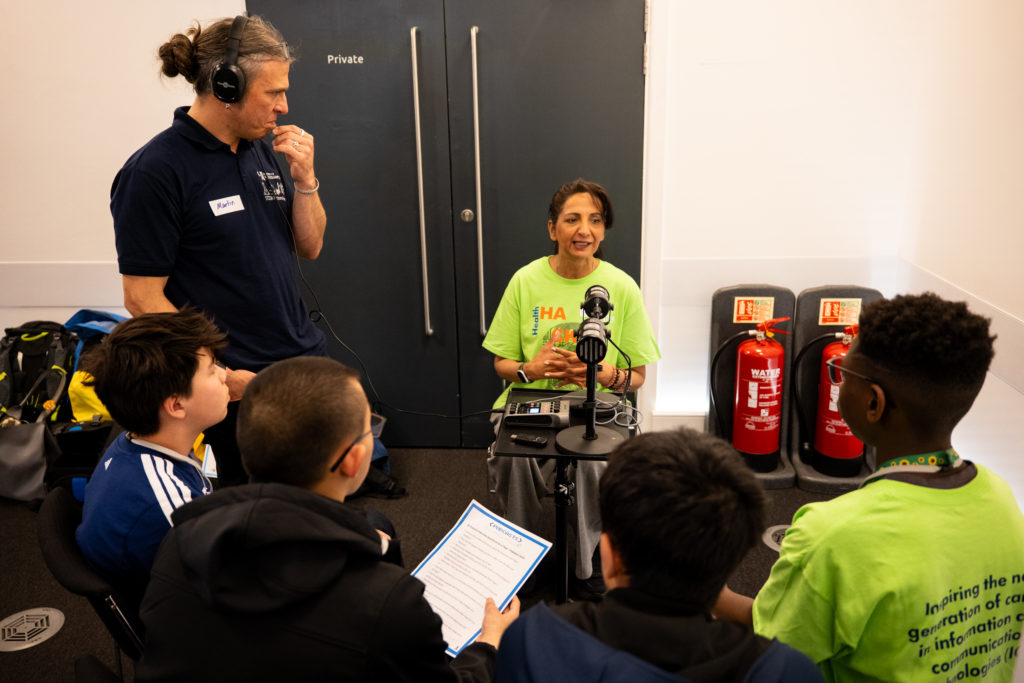
- Videography and podcasting
- Healthcare technologies and a live diabetes experiment
Alongside technical skills, the event emphasised teamwork, communication, timekeeping and compassion—key skills for future scientists and clinicians.
Example video:
Example podcast:
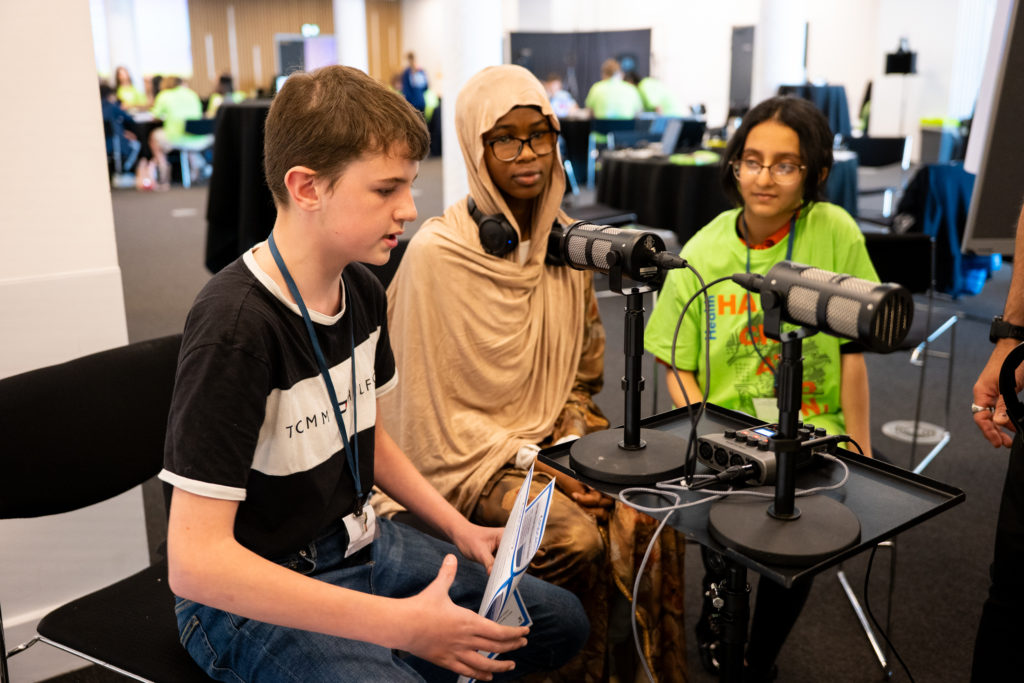
Endocrinology in Action: Live Diabetes Experiment
The project itself was conceived by Dr Caroline Gillett who had conceptualised the idea for a hackathon to make use of EPSRC public engagement funds for improving young people’s digital skills. The idea of using health technology and diabetes came from her interest in endocrinology public engagement and her network of colleagues working on research in this area.
A highlight of the day was a live science experiment led by Dr Gaby da Silva Xavier (diabetes researcher) with support from Dr Atif Shahzad (wearables and healthcare technology). Students analysed real-time glucose data from adult volunteers using continuous glucose monitors (FreeStyle Libre 2), smartwatches (that claim to measure blood glucose) and traditional finger-prick testing.
Volunteers arrived fasted and ate different foods across the day, enabling discussion of glucose regulation, dietary impact, and how diabetes technologies have evolved. This direct interaction with endocrine data transformed abstract concepts into observable, real-world science.
Building on its success, the team are now exploring how this experiment can be expanded into a larger project, involving young people more deeply in data collection, interpretation and co-produced endocrine research.
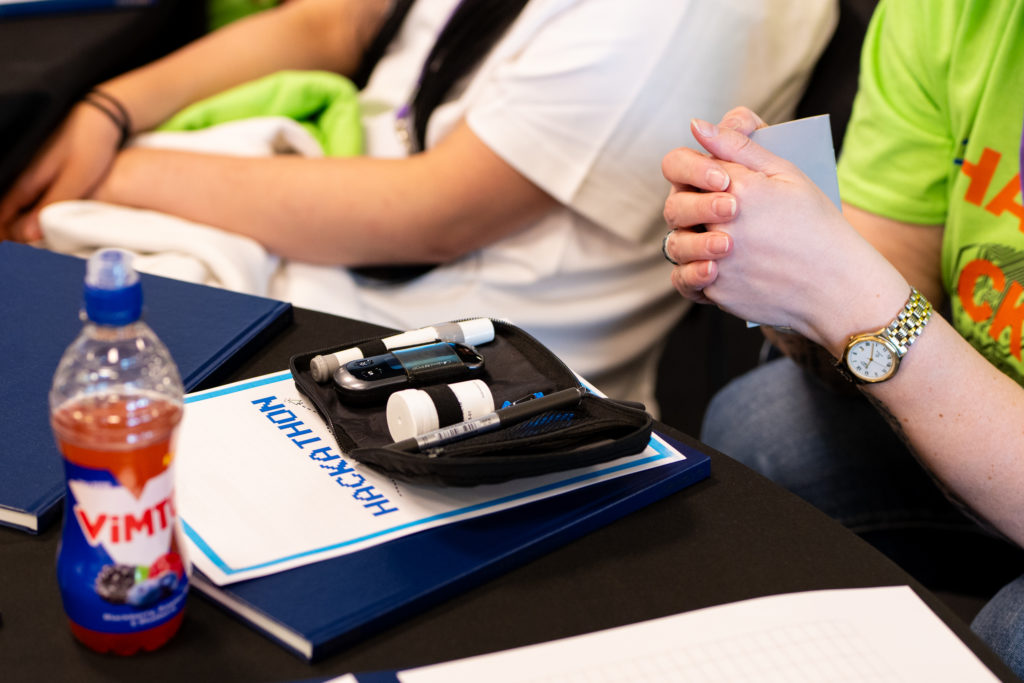


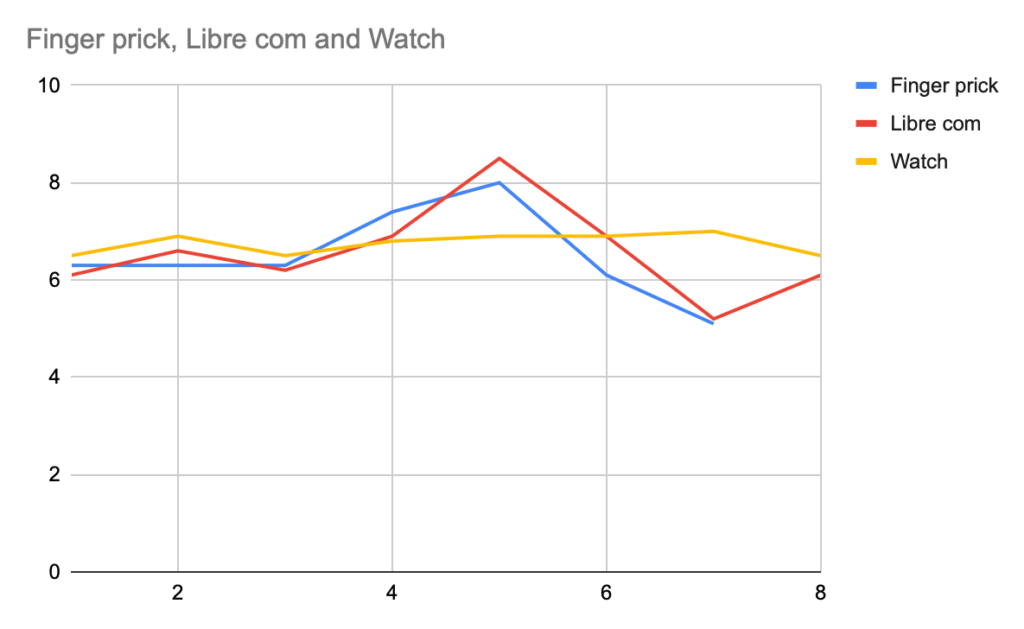
Live experiment data where students analysed glucose levels from volunteers wearing glucose monitoring devices (libre), smartwatches, and finger prick test.
Co-production with Lived Experience
People with lived experience of diabetes were central to the Hackathon. Six contributors (three with Type 1 and three with Type 2 diabetes) worked alongside students throughout the day. There was a mix of ethnicities and gender in our contributors too, as well as ages (20s to 70s) which also made intergenerational learning possible.
This element was coordinated by Dr Caroline Gillett who ensured meaningful inclusion of both Type 1 and Type 2 perspectives across all activities. Contributors shared their experiences, participated in student-led interviews, and provided feedback to ensure accuracy and people-centred communication.
One contributor reflected:
“It was a great event… I was so impressed with several of the children, especially our ASD attendees… their determination for everything to be right before the end of the day was inspiring… I got so much from the event too, it was a pleasure to help out.”
Another commented:
“Firstly… we want to congratulate you and the team on yesterday’s event… it was great to see how the students started the day nervous and quiet, but the results at the end were stunning.”
Inclusion, Access and Reach
The Hackathon targeted girls and young people from ethnic minority and socio-economically deprived backgrounds across Birmingham. Of participants:
- 52% were girls
- Students came from 7 schools
- Approximate ethnic demographics were 48% White, 40% Asian, 12% Black/Afro-Caribbean
Schools and families highlighted the value of the opportunity:
“What a great opportunity… we would love our girls to sign-up… how many spaces can we have?”
Aston Manor Academy
“This is great, I’ve never heard of anything like this before, we need more events like this for the kids”
Mother of two students aged 11 and 13
Evaluation and Impact
At the start of the day, students described computer science in narrow terms:
Coding, AI, Microsoft, Games, ChatGPT, Python, data, technology
By the end, responses reflected learning and enthusiasm:
“I learnt more than I know when I came here,”
“I think computer science is amazing,”
“I like computer science as it is interesting.”
Confidence in digital skills rose from 59% before the event to 82% afterwards.
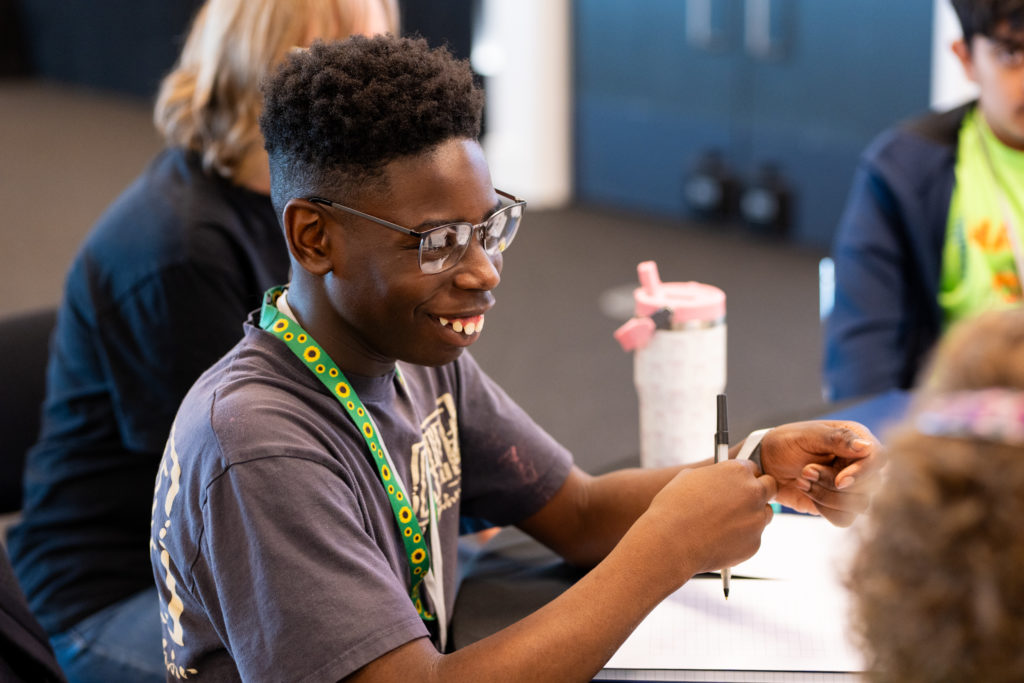
Student feedback highlighted both digital skills and learning about diabetes and medicine, as well creative use of digital skills for art:
“I enjoyed it a lot… finding out more about diabetes and causes… this is teaching me more things than I do in school.”
Whitney, aged 13
“My favourite thing about the day was the Digital Arts… The day was perfect; I would definitely come here again.”
Zaiyah, aged 12
“I loved the podcasting… it was really fun talking to someone with diabetes and see their day-to-day life.”
Hanon, aged 15
“My favourite part was the people with diabetes… I learned a lot about diabetes… I would definitely do this again.”
Mara, aged 14
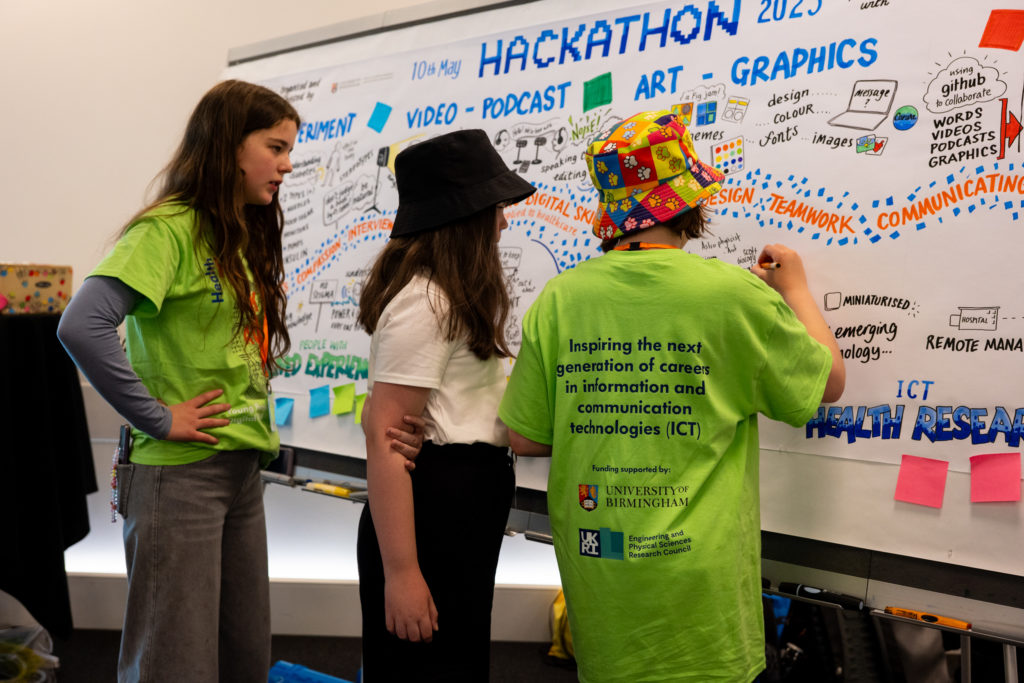
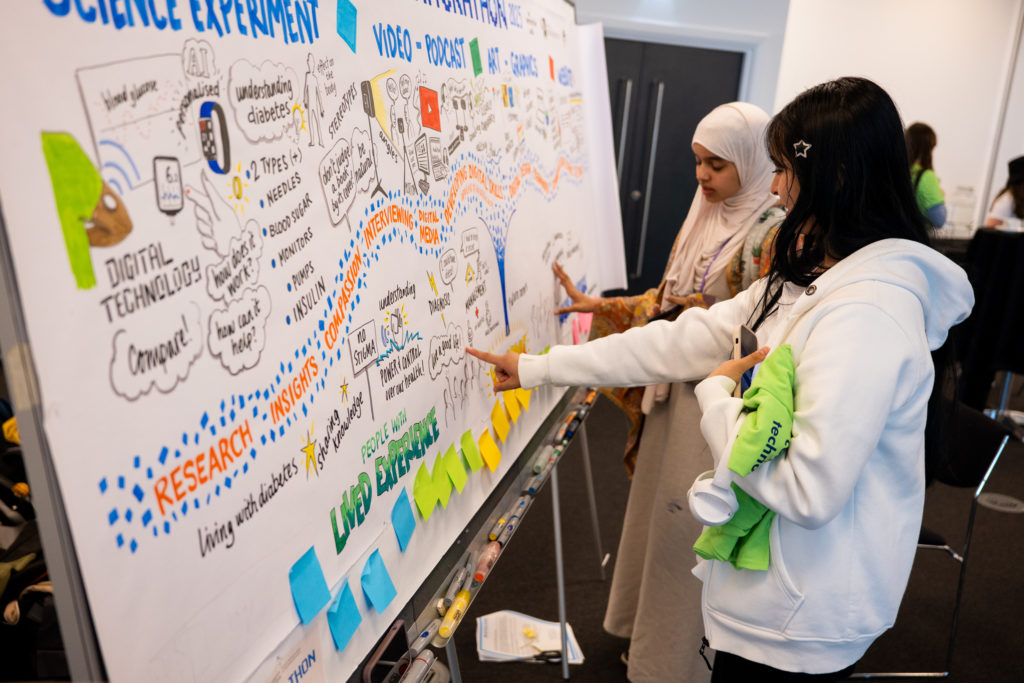
We also worked with artist and graphic facilitator Laura Broderick to capture a visual summary of the day (see graphic below), with the young people also being invited to add their ideas about future careers at the end.
Reflections and Thanks
This Health Hackathon demonstrates how endocrinology can anchor inclusive, co-produced public engagement, combining experimental science, healthcare technologies and lived experience. The interdisciplinary contributions of MSS staff—Dr Caroline Gillett, Dr Gaby da Silva Xavier and Dr Atif Shahzad—enabled young people to engage meaningfully with diabetes and digital science. The MSS researchers are already beginning to think through how they can further develop some of the ideas explored in the live science experiment.
We would like to thank the SMQB and Engineering and Physical Sciences Research Council (EPSRC) for funding this work, alongside all the students, schools, families, volunteers and contributors with lived experience who made the day such a success.
Photo credit: Hayley Salter Photography