
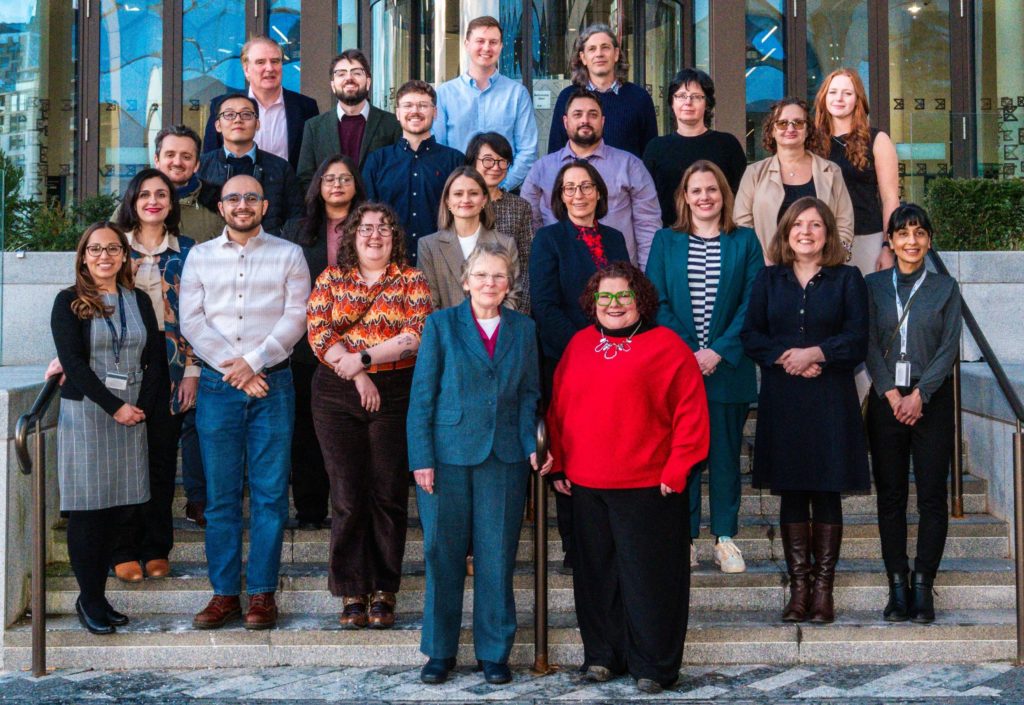
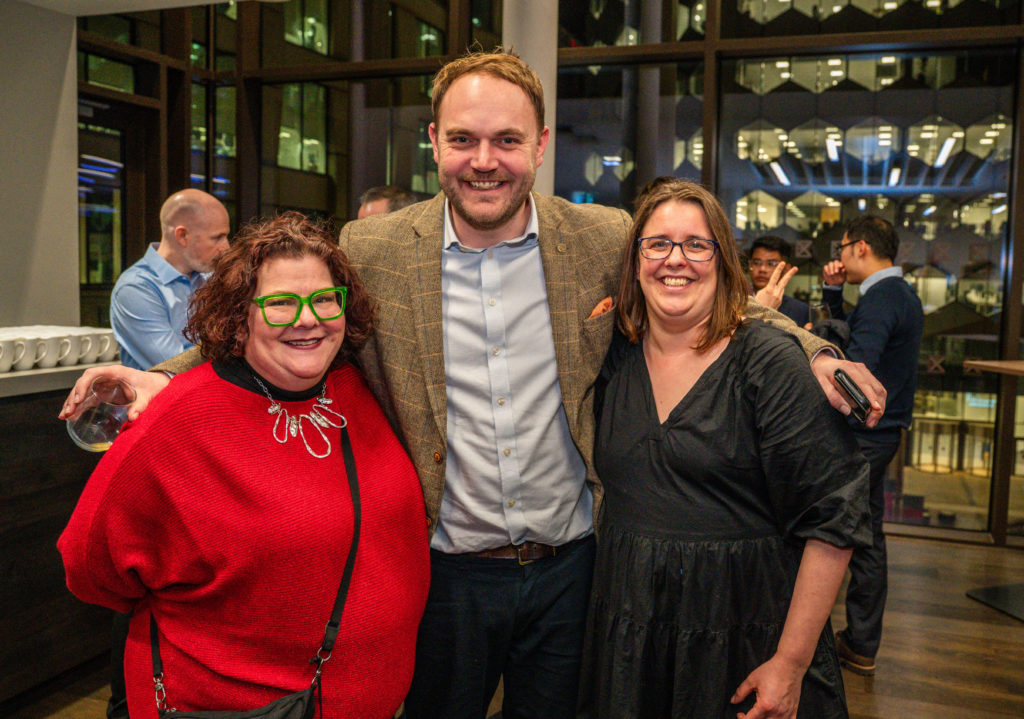
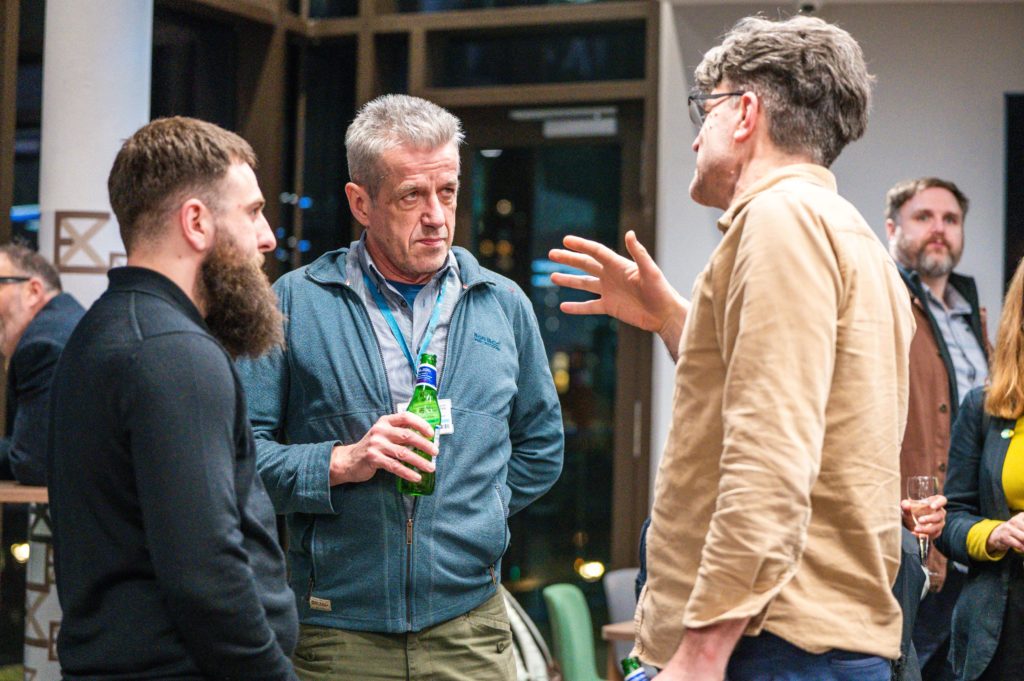
On 28 January, City-REDI celebrated a decade of research excellence, partnership working, and policy impact with a special event at The Exchange, University of Birmingham. The occasion also saw the launch of Shaping Regional Futures 2035, City-REDI’s strategy for the next ten years.
Celebrating a Decade of Growth and Impact
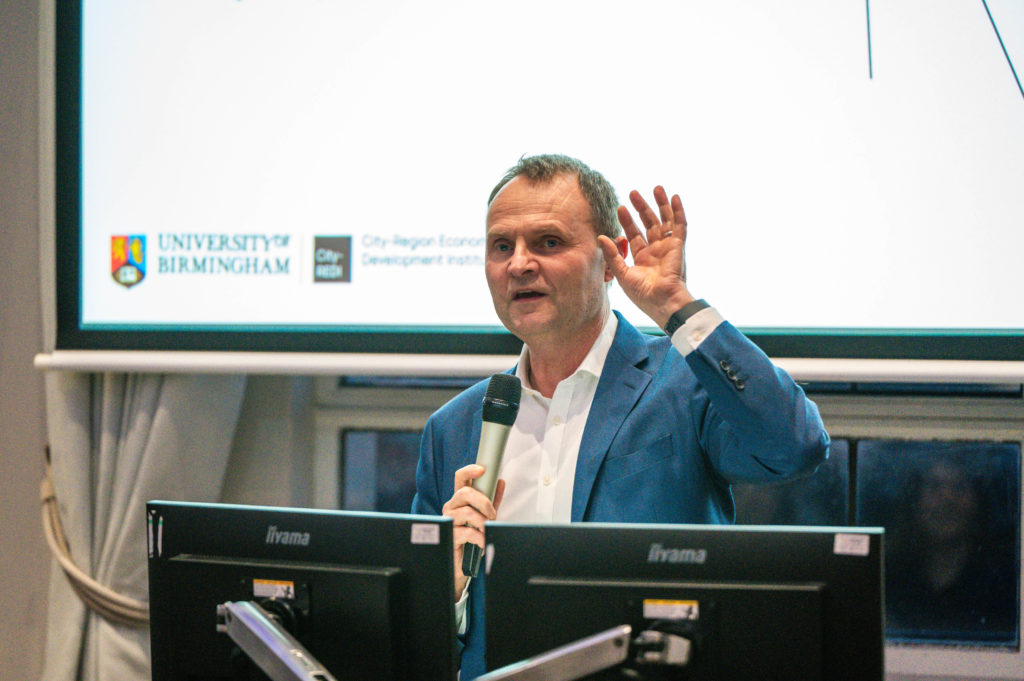
The event opened with Professor Adam Tickell, Vice-Chancellor and Principal of the University of Birmingham, who reflected on City-REDI’s remarkable journey. From an initial team of three to nearly 30 members, City-REDI has grown into a major regional and national hub for applied research and policy engagement.
Professor Tickell highlighted the organisation’s strong track record in securing research funding, £18 million to date, noting that for every £1 invested by the University, City-REDI has returned £3 in research income. He emphasised the institute’s key role in shaping evidence-led decision making across the West Midlands and beyond.
The Origins and Evolution of City-REDI
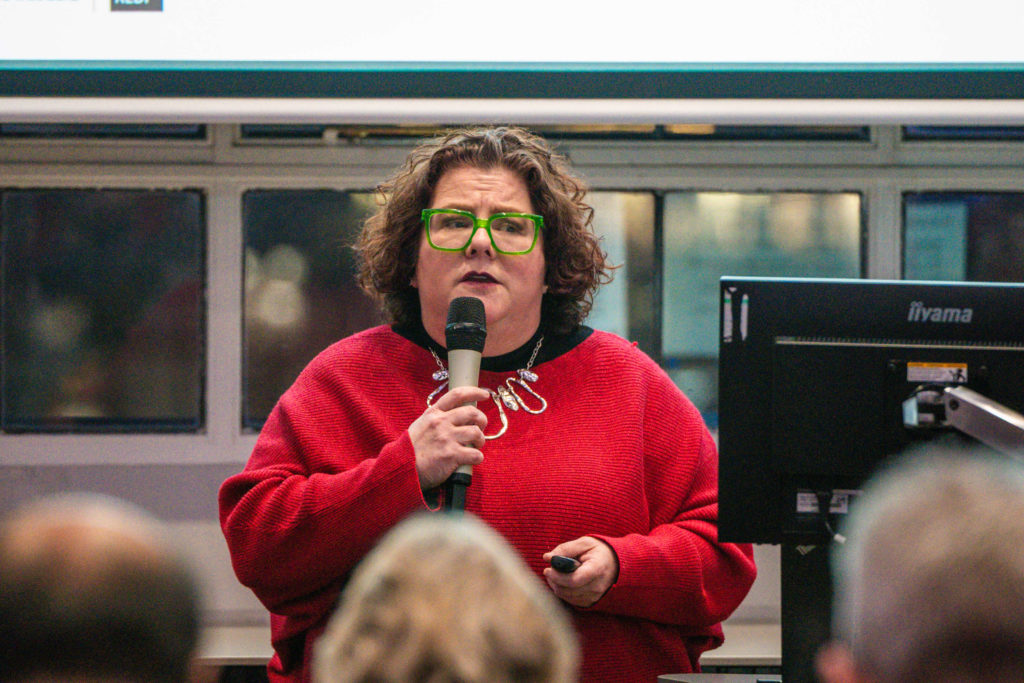
Next, Professor Rebecca (Bec) Riley, Co-Director of City-REDI and one of its founding members, shared the story of how the institute came into being. Established to meet a growing regional demand for high-quality analysis and insight, City-REDI was designed to support the West Midlands in making informed, evidence-based decisions on strategy, policy, and investment.
Bec reflected on the interdisciplinary model that underpins City-REDI’s work and spoke about the success of projects such as WMREDI, noting the British Academy’s recognition of its impact:
“WMREDI works in partnership with the West Midlands Combined Authority to bring a practical research and intelligence function to the economic benefit of the region.”
— British Academy case study on Place-Based Approaches to Research Funding
Perspectives from Key Regional and National Leaders
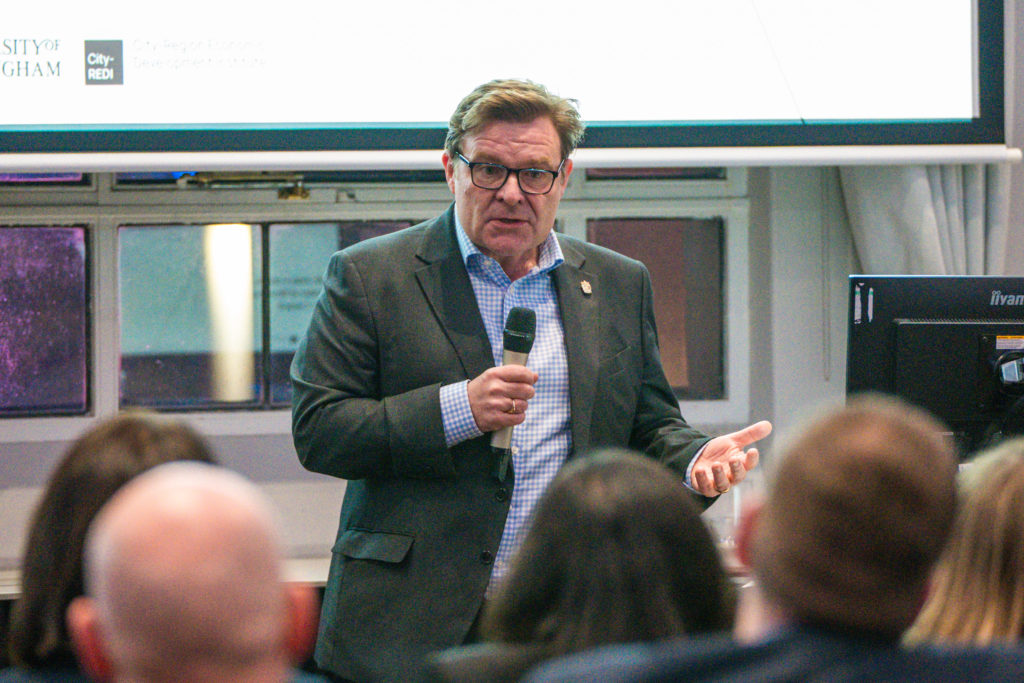
Councillor John Cotton, Leader of Birmingham City Council, followed with remarks on the power of collaboration. He described City-REDI as an essential part of “Team Birmingham,” playing a pivotal role in shaping policy locally, regionally, and nationally.
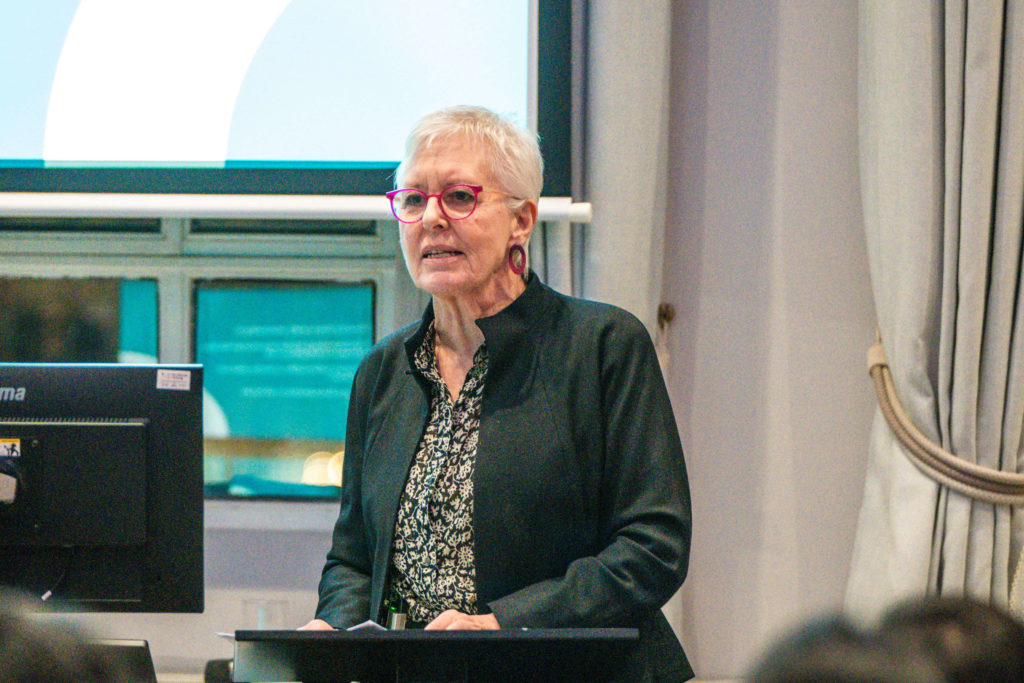
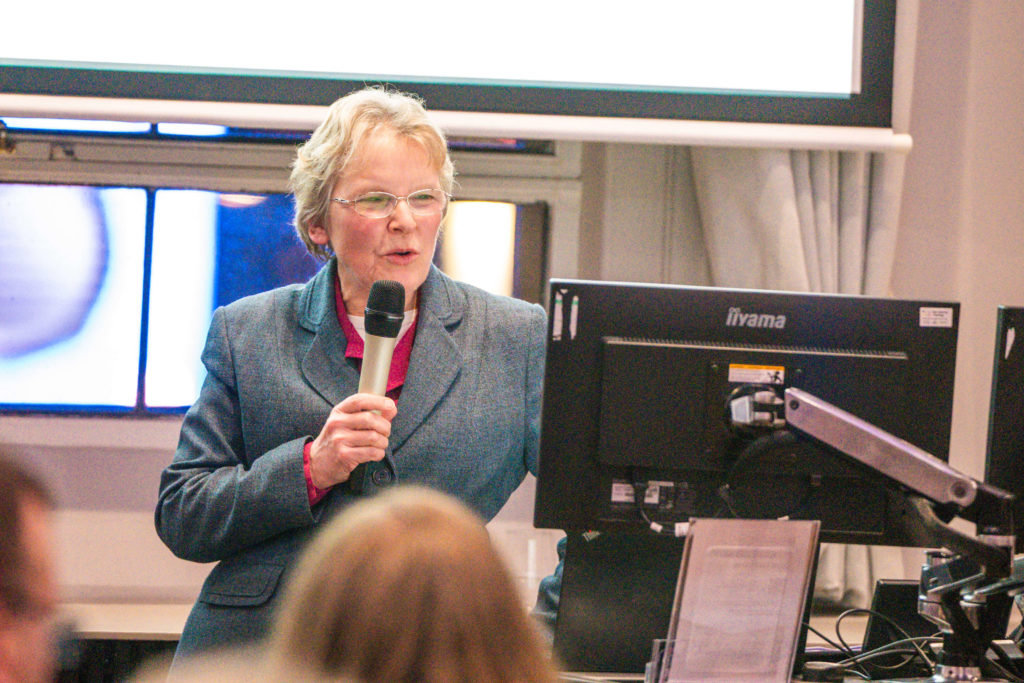
He was followed by Dr Rita Gardner CBE, FAcSS, Chief Executive of the Academy of Social Sciences, who spoke passionately about the value of social science in addressing contemporary challenges. She highlighted City-REDI as a leading example of how social science can transform places and improve lives.
Launching Shaping Regional Futures 2035
Co-Director Professor Anne Green, who joined City-REDI in its early years and has been crucial in its success, introduced the institute’s new ten‑year strategy: Shaping Regional Futures 2035. She presented the mission and five thematic research priorities that will guide City-REDI’s next chapter:
Our Mission
To support regional economic growth through engaged and relevant research, working in partnership with institutions, people and businesses to facilitate local, regional and responsible growth for the benefit of all.
Our Research Priorities
- Regional Leadership and Governance
- Innovation, Technology and Competitiveness
- Demography, Future Lives, Work and Skills
- Place-based Policies for Inclusive Economic Development, Wellbeing and Resilience
- Infrastructure, Connectivity, Sustainability and Net Zero Transitions
Our Ambitions for 2035
- Lead groundbreaking academic and policy research that anticipates future challenges
- Foster collaborative partnerships at regional, national, and international levels
- Shape evidence-based policies that deliver meaningful economic and social change
- Champion inclusive and sustainable development that reduces inequalities
- Create a lasting legacy of innovation, leadership, and measurable city-region impact
Deep Dives: City-REDI’s Research and Its Influence
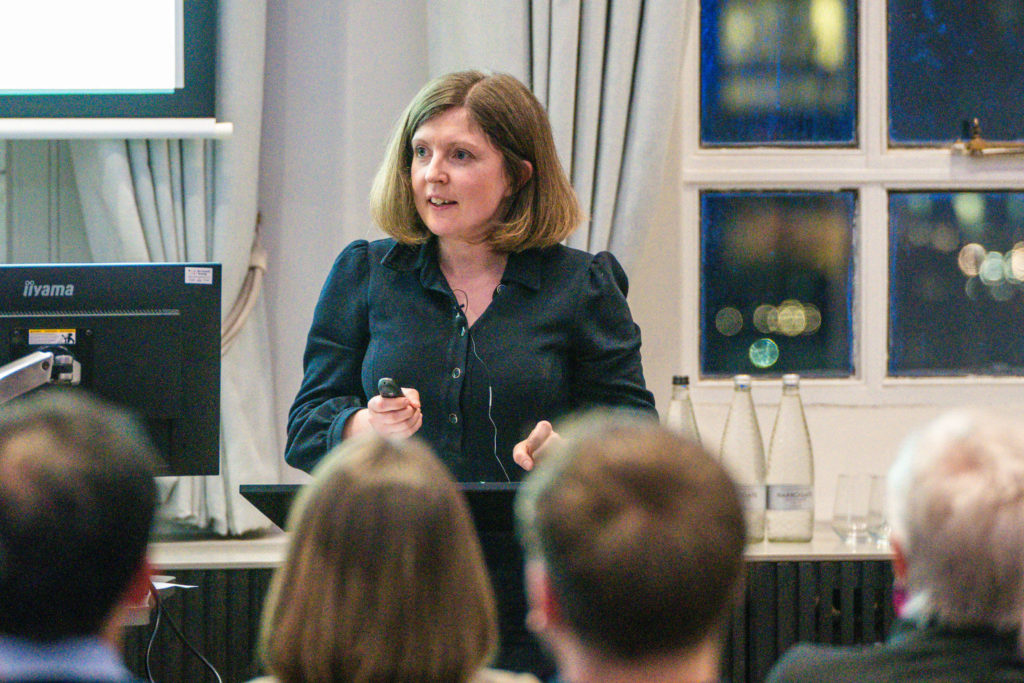
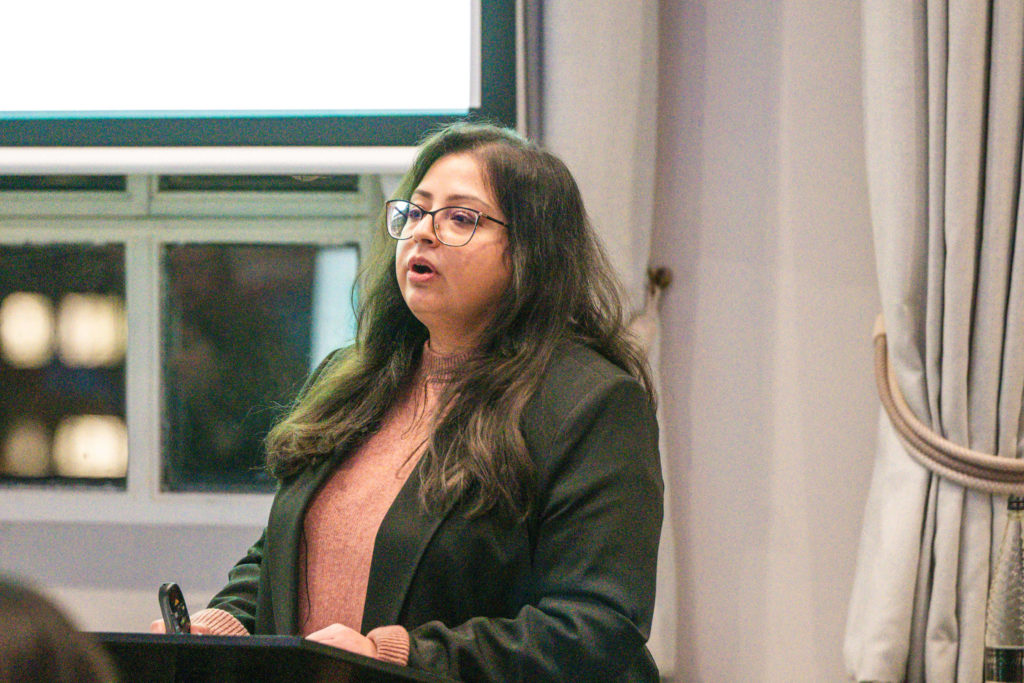
Professor Green then invited several City-REDI researchers to share insights into key strands of work that have defined the organisation’s impact to date.
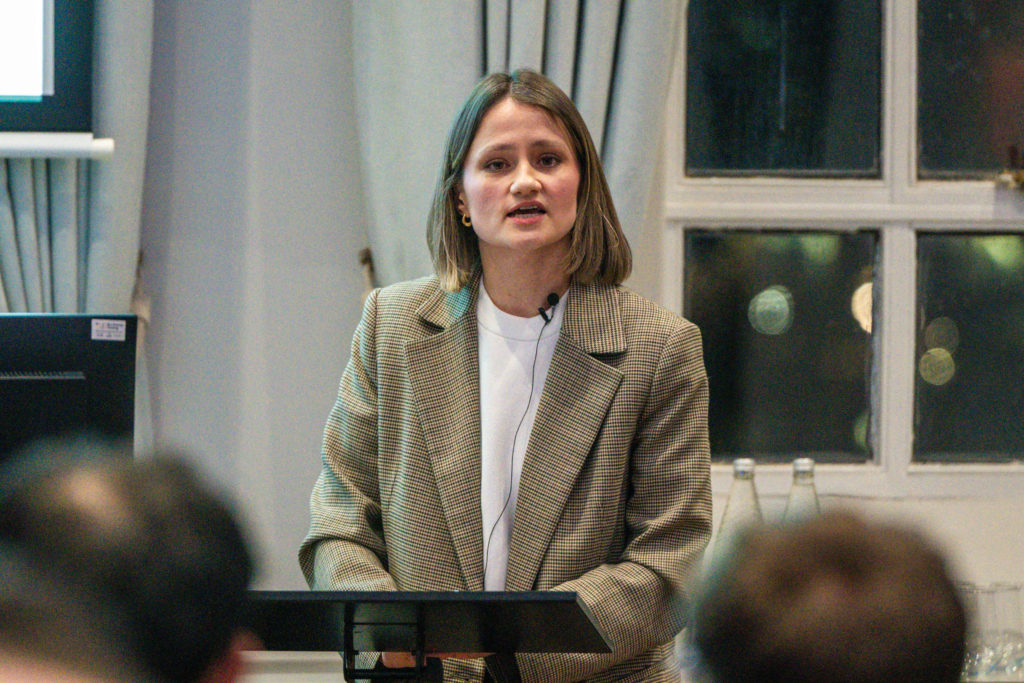
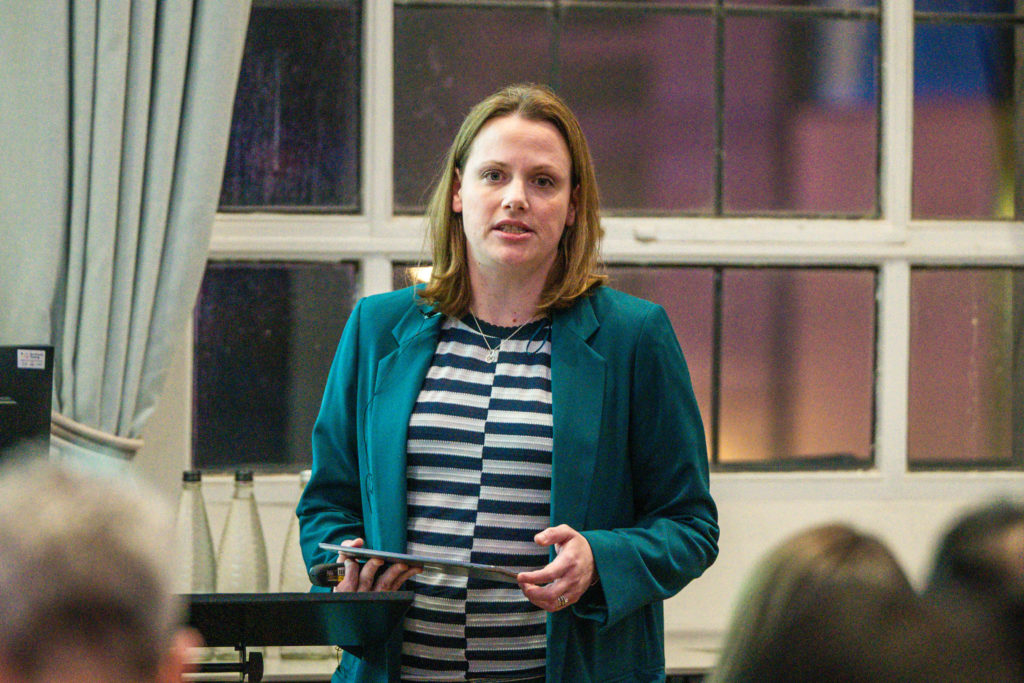
Dr Charlotte Hoole, Dr Chloe Billing, Dr Abigail Taylor, Alice Pugh, and Dr Annum Rafique each spoke about their research, its real-world applications, and future directions.
Special thanks were extended to partners who contributed reflections on City-REDI’s impact, including Andrew Charlesworth-May, MHCLG, and Steven Heales, WMCA.

Reflections: A Story in Motion
To close the event, Professor Anne Green reflected on why City-REDI has thrived over the past decade: capacity, capability, competitiveness, and collaboration. She emphasised the breadth of City-REDI’s work, from hyperlocal communities to national policy, and even “outer space.”
Anne noted that while strategy provides important direction, City-REDI’s strength lies equally in its responsiveness—its ability to pivot towards emerging challenges and opportunities.
“City-REDI is a story in motion. Thank you for being part of our story.”



This blog was written by Stuart Mitchell, Centre Manager, City-REDI, University of Birmingham with assistance from Co-Pilot.
Disclaimer:
The views expressed in this analysis post are those of the author and not necessarily those of City-REDI or the University of Birmingham.