
Birmingham Environment for Academic Research (BEAR) Newsletter
Members of the team attended a great BEAR PGR Conference at the end of April on the theme of AI, research integrity and ethics. There were some really thought-provoking talks on the implications of AI and some interesting examples of PhD research from across the university. The event was organised by a group of PhD students and proceedings will follow shortly. We now turn our attention to preparations for BEAR Challenge 2026 in June. This 3-day event introducing undergraduate and postgraduate taught students to High Performance Computing (HPC) has been very popular again this year and is over-subscribed. We look forward to sharing the experience of research computing with the attendees!
Included in this month’s newsletter:
- RSG Hackathon
- Space weather software
- Training workshop calendar for the summer
- UKRI Digital Research Skills Catalyst launches
- SafePod at Aston University
- Number of publications supported via BEAR
- Case study on the role of artistic interventions in transforming post-industrial Birmingham
- BEAR drop-in session dates
News from the Advanced Research Computing team
Research Software Group Hackathon
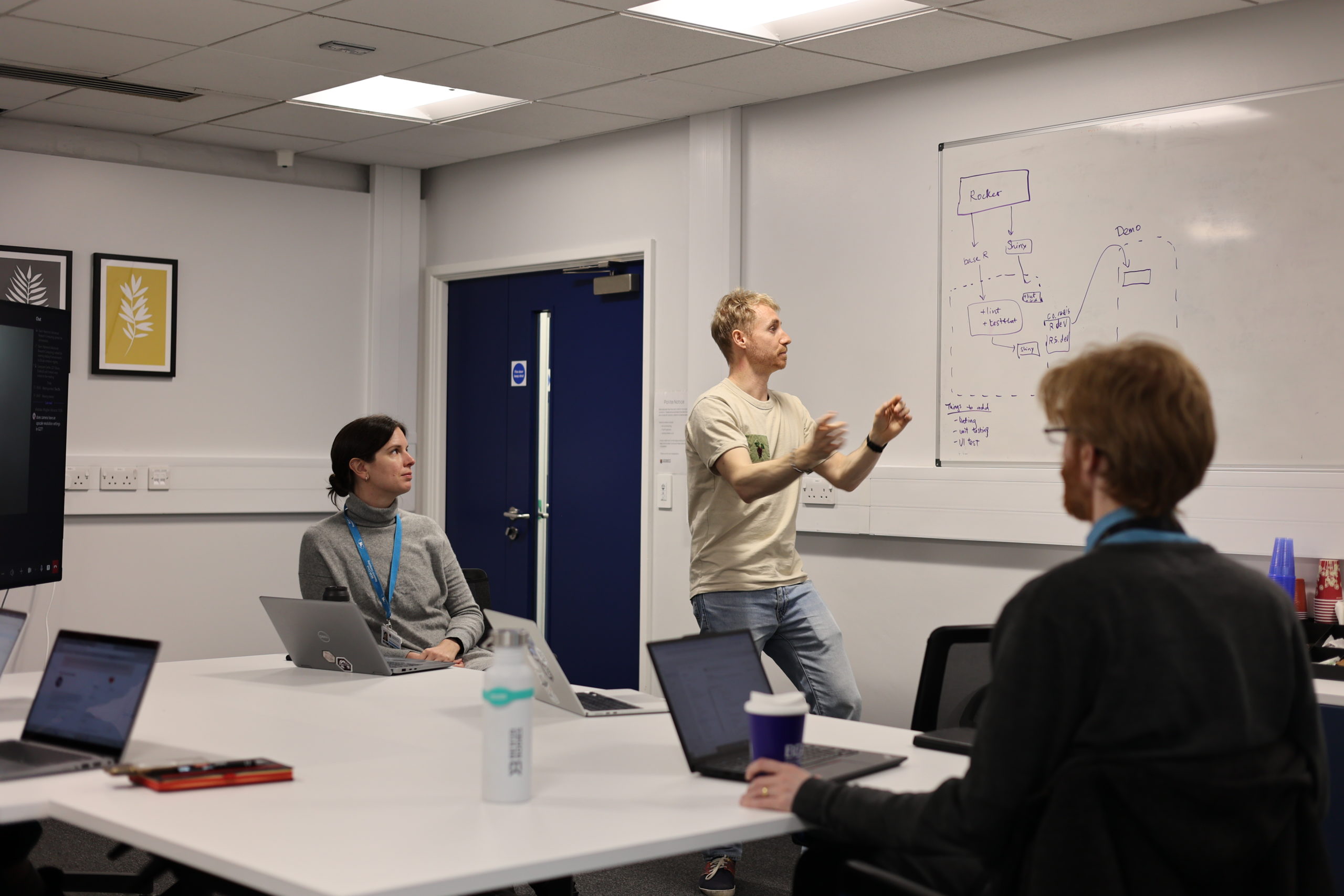
In April the Research Software Group (RSG) held its third hackathon, taking place over a week. Members participated in a wide range of sessions from software tools, testing and backend system architecture, to group discussions on career pathways, with several sessions leading directly to improvements in ongoing work. To find out more about what they did, see the hackathon blog post.
Space weather software

Three of our Research Software Engineers (RSEs) worked with colleagues in Engineering to create an open-source tool that helps scientists understand how fast-moving particles behave when they interact with electromagnetic waves in space. Written in Python, the code is easy to read and modify – allowing it to be expanded and improved by the community. Find out more about the project in this university news article.
Training workshop calendar for the summer
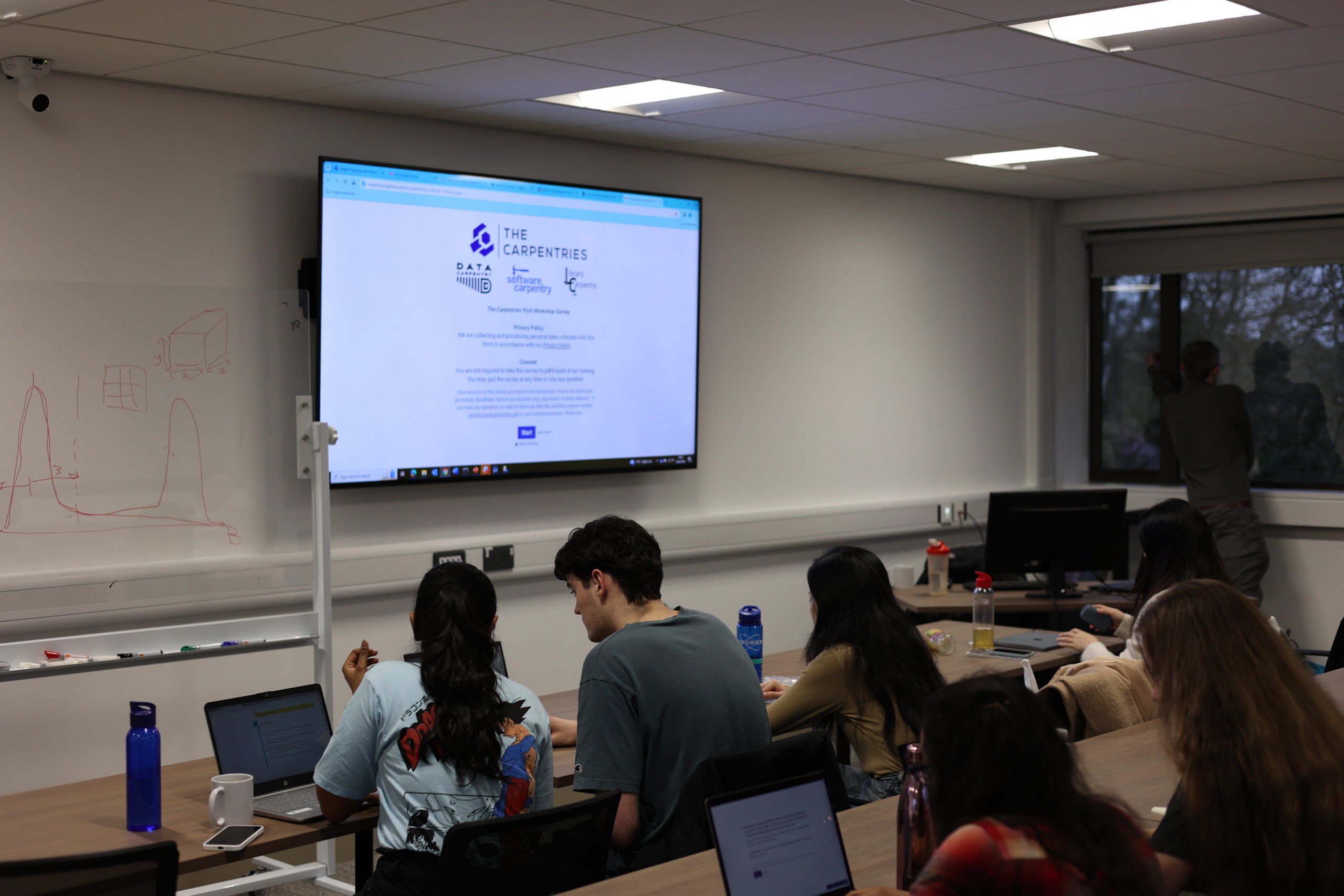
We have a new series of training courses scheduled for the summer term, from beginner to advanced level. From using Linux on BlueBEAR, to Software Carpentry courses in R, Python, MATLAB and Git, this is your chance to improve your software skills for better research! We also have a brand-new course on Building Better Research Software. You can find full details and booking on the training webpages.
Services for researchers
UKRI Digital Research Skills Catalyst launches

A new UKRI Digital Research Skills Catalyst training platform has been created to connect researchers with cutting-edge training opportunities and sector expertise through access to a searchable learning portal, tools, events and expert-led training. The initiative aims to strengthen data, software, and AI capabilities – helping research teams work more efficiently and deliver greater impact.
SafePod at Aston University

A new SafePod facility has opened at Aston University, providing the security controls needed to facilitate access to secure data from participating Data Centres (including the Office for National Statistics and UK Data Service) for accredited researchers, including UoB staff and students. SafePod is run by the Safepod Network (SPN). There is a webinar on How to Use a SafePod on Tuesday June 2nd, 13:00 – 14:00, delivered by the University of Sheffield.
Use of BEAR services
Number of publications supported via BEAR
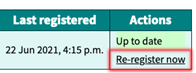
When we ask researchers to re-register their projects every 6 months, we also ask them to provide details of publications that have been enabled by using BEAR services. Since April, a further 64 publications have been registered, bringing the total on our database to 1766. Thank you to all who have helped provide this valuable information, which enables us to show the University that our services provide essential support for research. It is possible to add information on your publications at any time – see details on the Acknowledging BEAR webpage.
Case study on the role of artistic interventions in transforming post-industrial Birmingham

In this month’s case study, PhD student Jack (Wei-Chieh Tsai) from History of Art and Geography explains how he used BlueBEAR to examine how cultural intermediaries, including artists, curators, and cultural organisations, have contributed to urban development. Take a look at Jack’s case study to find out more.
Opportunities for 1:1 support
BEAR drop-in session dates

We are currently holding monthly in-person drop-in sessions on the first Wednesday of the month on the first floor of Staff House (formerly Café Aroma). We also provide additional virtual drop-in sessions via Zoom for those not on campus or who require specialist help – check the drop-in webpage for updates, as well as details on how to join the sessions. Currently scheduled dates are also listed below:
- Via Zoom – Tuesday 26 May, 12:30-13:30
- In-person – Wednesday 3 June, 11:30-12:30 – Staff House, first floor (look for our banner)
- Via Zoom – Friday 12 June, 11:00-12:00
- Via Zoom – Monday 15 June, 13:30-14:30
Missed last month’s newsletter?
Find April’s newsletter here. Sign up to receive the newsletter direct to your inbox by joining our bear-updates mailing list here (UoB login required), or ask to join via email at bearinfo@contacts.bham.ac.uk